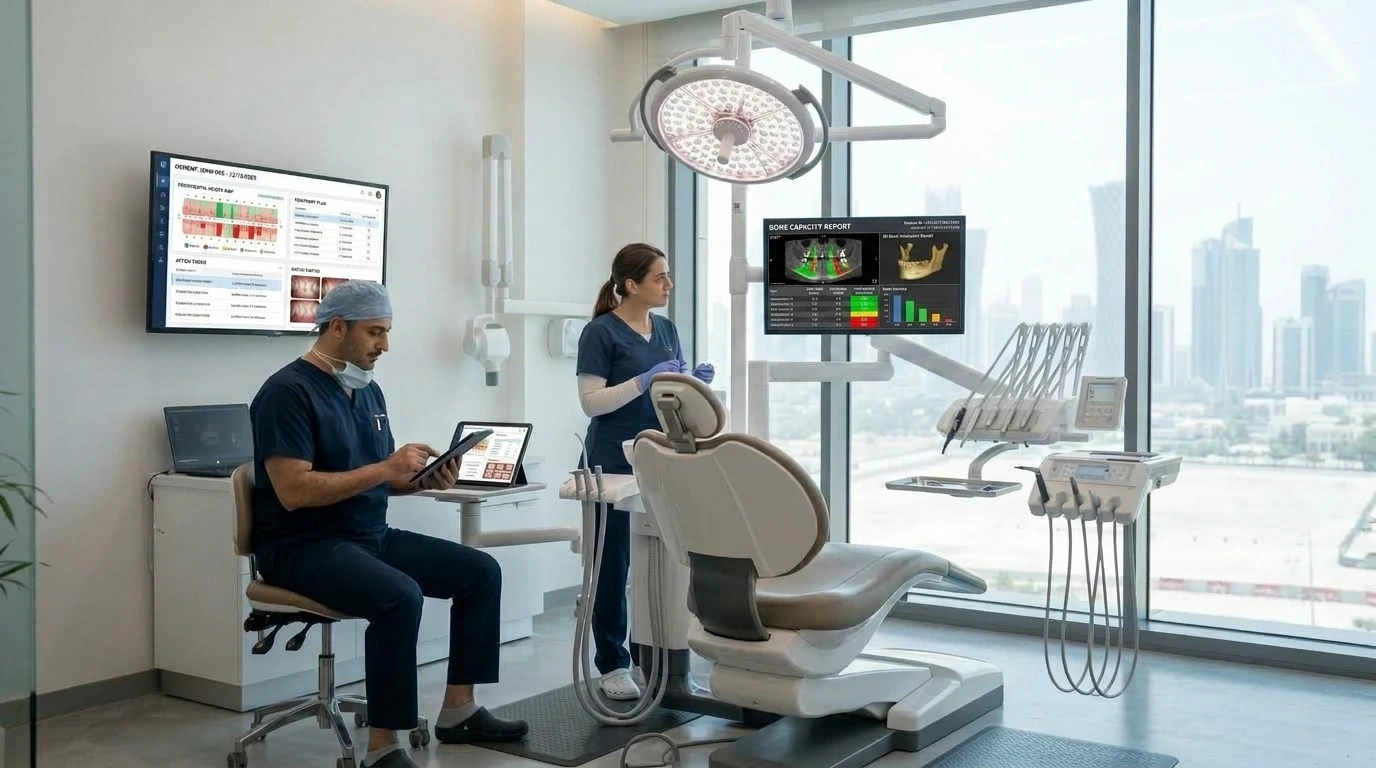
Maxillofacial Surgeon in Qatar
If you are looking for a maxillofacial surgeon in Qatar, understanding when this type of specialist is needed can help you choose the right path for your oral, jaw, or facial condition. Oral and maxillofacial surgery covers a wide range of problems affecting the mouth, teeth, jaws, face, and surrounding tissues. Some cases may involve impacted teeth or wisdom teeth, while others may require dental implant surgery, bone grafting, corrective jaw procedures, treatment of oral lesions, or management of facial injuries. At Gardenia Medical Centre in Doha, the evaluation starts by understanding the patient's condition, symptoms, dental history, and treatment needs before recommending the appropriate surgical approach.
What Does a Maxillofacial Surgeon Treat and When Should You See One?
What Does a Maxillofacial Surgeon Treat?
An oral and maxillofacial surgeon in Doha manages conditions that may require surgical treatment involving the mouth, jaws, face, and related structures. Oral and maxillofacial surgeons receive specialized training to manage both routine and complex surgical conditions, including wisdom teeth, dental implants, corrective jaw surgery, oral pathology, facial trauma, and temporomandibular joint conditions.
Unlike routine dental care, some conditions require surgical planning because they involve deeper tissues, bone, jaw position, or structures surrounding the teeth. A maxillofacial surgeon can assess the problem, review the available diagnostic information, and determine whether surgery is needed or whether another form of treatment may be more appropriate.
When Should You See a Maxillofacial Surgeon?
You may need to consult a maxillofacial surgeon when a dental or facial condition cannot be managed through routine dental treatment alone. Common reasons for referral include:
- Impacted teeth and difficult wisdom teeth.
- Missing teeth requiring surgical implant placement or insufficient bone for implants.
- Jaw alignment problems and severe bite discrepancies.
- Oral cysts, benign tumors, or unexplained mucosal lesions.
- Facial injuries, fractures, and acute trauma.
- Persistent problems involving the jaw joint (TMJ disorders).
A consultation can also be useful when symptoms are persistent, when a previous treatment has not resolved the problem, or when several dental and surgical treatments need to be coordinated as part of one treatment plan.
Wisdom Teeth and Impacted Teeth
Wisdom teeth do not always have enough space to erupt normally. They may remain partially or completely trapped in the jawbone, grow at an unusual angle, or create problems for nearby teeth and tissues.
Surgical Wisdom Tooth Removal
Wisdom Tooth Extraction may be recommended when a wisdom tooth is impacted, causing repeated pain or infection, damaging nearby teeth, or creating another condition that requires surgical management. The decision depends on the position of the tooth, surrounding structures, symptoms, and the patient's overall dental condition.
Wisdom tooth removal in Doha may involve a simple extraction or a more involved surgical approach depending on how the tooth is positioned. Before the procedure, the surgeon evaluates the tooth and surrounding anatomy and explains the expected treatment and aftercare.
Surgical Exposure of Impacted Teeth
When a permanent tooth cannot erupt normally, the treatment plan may involve Surgical Exposure of Impacted Teeth to uncover the tooth and help it become part of a broader orthodontic or dental treatment plan.
The approach depends on the tooth's position and its relationship with the surrounding bone and teeth. Impacted tooth removal in Qatar may also be considered when the tooth cannot be preserved or when its position creates a risk to surrounding structures.
Dental Implant Surgery and Bone Support
Missing teeth can affect chewing, speech, and overall oral function. Dental implants can be part of a restorative treatment plan when a tooth has been lost, but successful implant treatment requires an adequate foundation of bone and healthy surrounding tissues.
Dental Implant Surgery
Dental Implant Surgery involves placing a dental implant in the jaw to support a restoration. Before treatment, the surgical team evaluates the available bone, the condition of the gums and surrounding tissues, and the overall dental situation. Patients looking for dental implants in Doha may require customized plans, including digital guided implant placement available at Gardenia Medical Centre.
Bone Grafting for Dental Implants
When there is not enough bone to provide the required support for an implant, Bone Grafting for Implants may be considered. Bone loss can occur after tooth loss or because of other changes affecting the jaw. Bone grafting for dental implants in Qatar is planned according to the condition of the affected area and the requirements of the future implant.
Sinus Lift and Other Implant-Related Procedures
In some cases involving the upper jaw, the available bone beneath the sinus may not provide enough space or support for an implant. A Sinus Lift Procedure can be considered as part of the treatment plan when additional bone height is needed in the affected area.
The need for a sinus lift is determined through clinical assessment and appropriate imaging. The procedure is not automatically required for every upper-jaw implant, so the treatment plan should be based on the patient's individual anatomy and implant requirements.
Oral Pathology, Jaw Surgery, and Facial Trauma
Oral Cysts, Tumors, and Other Oral Lesions
Changes inside the mouth, including unusual lumps, cysts, or other lesions, may require further assessment to understand their nature. Depending on the findings, the treatment may involve monitoring, biopsy, surgical removal, or referral for additional evaluation. Treatment of Oral Cyst and Tumors is one of the specialized services offered within Gardenia Medical Centre's Maxillofacial & Dental Surgery department.
The goal of evaluation is not only to remove a visible lesion when necessary, but also to understand what caused it and determine the appropriate next step. A maxillofacial surgeon may work with other dental or medical professionals when a condition requires broader assessment.
Jaw Surgery and Bite Problems
The position and relationship of the upper and lower jaws can affect chewing, speech, facial balance, and the way the teeth come together. In some cases, orthodontic treatment alone may not fully address a skeletal jaw problem.
Jaw surgery in Qatar may be considered for selected patients with significant jaw discrepancies or bite problems. Corrective jaw surgery, also known as orthognathic surgery, aims to improve the relationship between the jaws and support better oral function and facial balance.
TMJ treatment in Qatar may also be considered when symptoms involve the temporomandibular joint. Jaw pain, difficulty opening the mouth, clicking, or other persistent joint symptoms may require assessment to identify the underlying cause and determine the most appropriate treatment. Gardenia Medical Centre lists TMJ disorder surgery and corrective jaw surgery among its maxillofacial services.
Facial Trauma and Maxillofacial Injuries
Injuries involving the face and jaw can affect the teeth, facial bones, soft tissues, and jaw function. Depending on the type and severity of the injury, treatment may require a coordinated surgical assessment.
Facial trauma surgery in Doha focuses on evaluating the injury and determining the appropriate approach to restore function and address affected facial structures. Oral and maxillofacial surgeons are trained to manage facial injuries and facial trauma as part of their clinical scope. Early assessment can be particularly important when an injury affects the ability to open the mouth, chew, speak, or maintain normal facial function.
What Happens During a Maxillofacial Consultation?
A consultation with a maxillofacial surgeon usually begins with a review of the patient's dental and medical history, current symptoms, previous treatments, and medications. The surgeon then performs an examination and may review dental X-rays or other imaging when needed.
The evaluation may help answer several important questions:
- What is causing the current problem?
- Does the condition require surgery?
- Are there non-surgical treatment options?
- Is another dental specialist involved in the treatment?
- What preparation is needed before surgery?
- What type of follow-up may be required?
This assessment helps create a treatment plan based on the patient's individual condition rather than applying the same procedure to every case.
Maxillofacial & Dental Surgery at Gardenia Medical Centre
At Gardenia Medical Centre, the Maxillofacial & Dental Surgery service provides care for a broad range of oral, dental, jaw, and facial surgical conditions in Doha. Available services include wisdom tooth extraction, dental implant surgery, bone grafting, sinus lift procedures, impacted tooth exposure, oral cyst and tumor treatment, corrective jaw surgery, facial trauma management, TMJ disorder surgery, oral lesion biopsy, apicectomy, salivary gland oral surgery, and post-surgical oral rehabilitation.
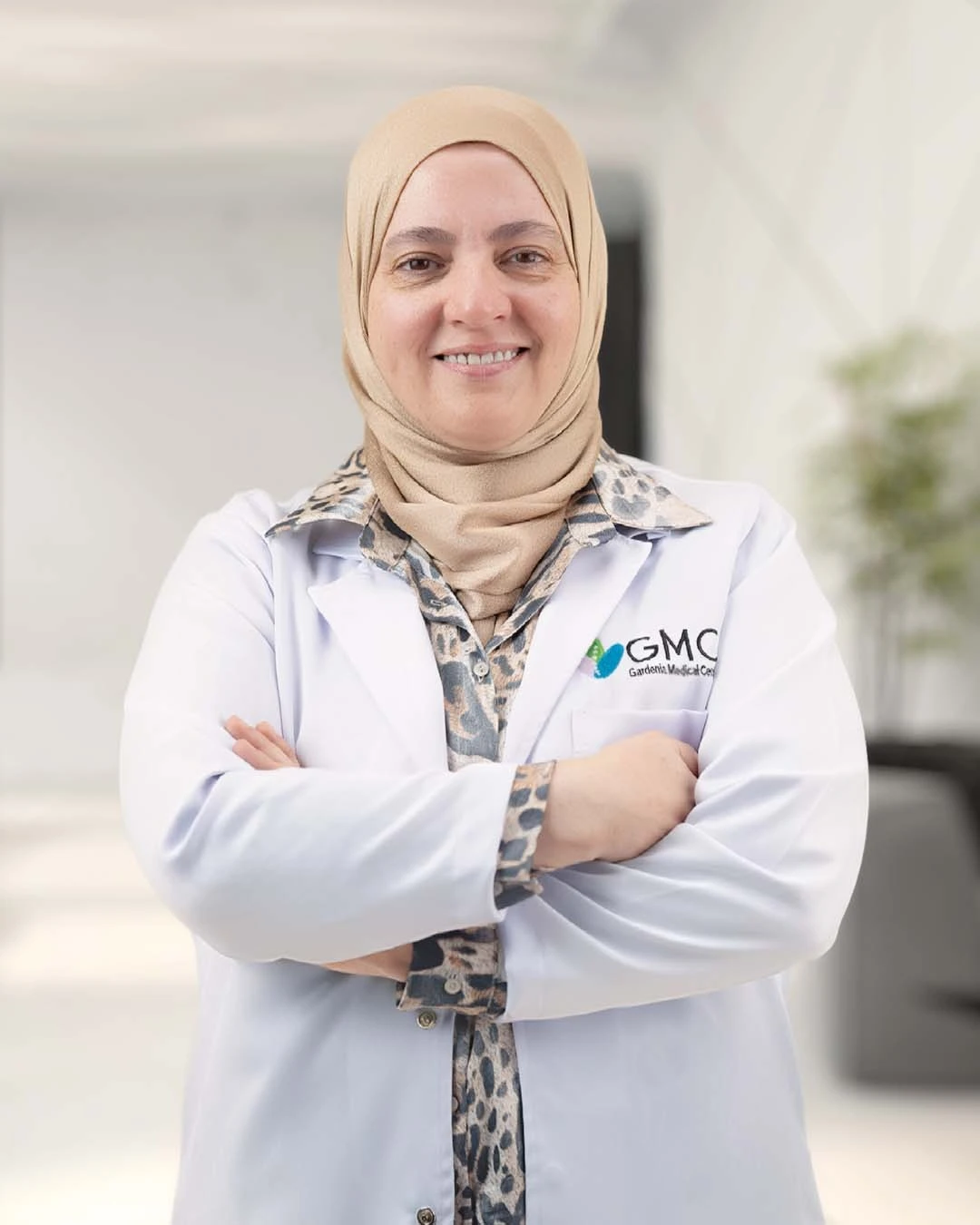
Dr. Lama Wahed Bittar
Senior Consultant in Oral & Maxillofacial Surgery
Dr. Lama Wahed Bittar has more than three decades of experience in dental and surgical fields and currently practices in Doha. Her clinical expertise includes complex oral and maxillofacial surgery, corrective jaw surgery, facial trauma management, benign tumor excision, dental implants, and complex bone grafting procedures.
For patients seeking a maxillofacial surgeon in Qatar, having access to a team that can evaluate the condition, discuss treatment options, and coordinate the necessary surgical and dental care can make the treatment journey clearer.
The Gardenia Medical Centre team also uses modern clinical and digital approaches where appropriate, including digitally guided implant placement, while treatment decisions remain based on the patient's diagnosis and individual needs.
Your Care Before and After Maxillofacial Surgery
Preparation and aftercare depend on the type of procedure being performed. Before surgery, patients may receive instructions related to eating, medications, anesthesia, oral hygiene, or other aspects of preparation.
After the procedure, following the surgical team's instructions can support recovery and help reduce the risk of complications. Follow-up appointments may also be recommended to monitor healing and determine whether additional treatment is required.
For this reason, choosing a maxillofacial surgeon is not only about the surgical procedure itself, but also about the quality of evaluation, communication, preparation, and follow-up throughout the treatment process.
Book a Consultation for Maxillofacial Surgery in Qatar
If you need an evaluation for an impacted tooth, wisdom tooth, dental implant, jaw condition, oral lesion, or facial injury, Gardenia Medical Centre can help you start with a clear medical assessment and discuss the next steps according to your condition:
- Explore our Dental and Maxillofacial Surgery Department.
- Get in touch via our Contact Page.
- Book your visit directly through our Online Appointment Booking Page.
Frequently Asked Questions About Maxillofacial Surgery
When Should I See a Maxillofacial Surgeon?
You may need to see a maxillofacial surgeon when you have impacted teeth, difficult wisdom teeth, jaw problems, facial injuries, oral lesions, or dental conditions that require surgical treatment.
What Conditions Does a Maxillofacial Surgeon Treat?
A maxillofacial surgeon may treat complex dental and oral conditions, impacted teeth, wisdom teeth, dental implant-related surgical cases, jaw problems, oral cysts and tumors, facial trauma, and TMJ conditions.
Can a Maxillofacial Surgeon Remove Impacted Teeth?
Yes. Impacted teeth can be evaluated by a maxillofacial surgeon to determine whether surgical exposure, removal, or another treatment approach is appropriate.
When Does a Wisdom Tooth Need Surgical Removal?
A wisdom tooth may require surgical removal when it is impacted, incorrectly positioned, repeatedly infected, painful, or affecting nearby teeth or tissues.
Does a Maxillofacial Surgeon Perform Dental Implants?
Yes. Dental implant surgery is part of oral and maxillofacial surgical care, particularly in cases that may require additional surgical planning or bone support.
Do I Need Bone Grafting Before Dental Implants?
Not every patient needs bone grafting. It may be recommended when the available bone is insufficient to provide the support required for an implant.
How Do I Choose a Maxillofacial Surgeon in Qatar?
Consider the surgeon's qualifications, experience, range of surgical services, approach to diagnosis and treatment planning, and the level of follow-up provided by the medical team.
Do I Need a Consultation Before Maxillofacial Surgery?
Yes. A consultation helps the surgeon understand your symptoms, medical and dental history, medications, and diagnostic findings before deciding whether surgery is appropriate.
What Conditions Require Maxillofacial Surgery in Qatar?
Some impacted teeth, complex wisdom teeth, implant-related bone loss, jaw alignment problems, oral lesions, TMJ conditions, and facial injuries may require evaluation by an oral and maxillofacial surgeon in Qatar.