Fast, accurate, and comprehensive clinical laboratory testing in Doha to support your healthcare journey with precise data.
Meet Our Doctors
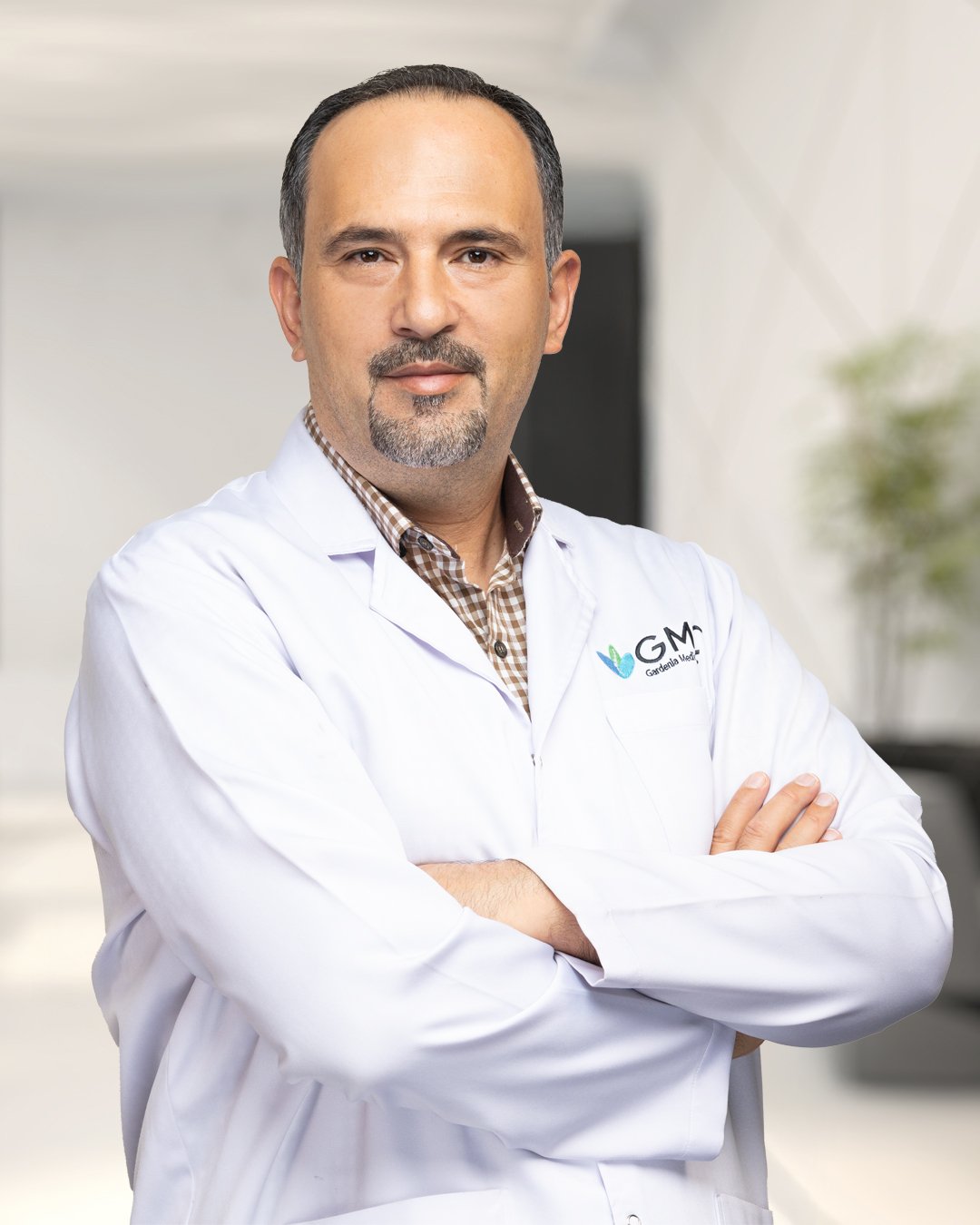
Clinical Pathologist
Dr. Mohamed Ahmed Baghdadi
Location: Surgical BranchLocation:
Surgical Branch
Building No. 6, Al Taif Street (St. 930), Zone 32, Dahl Al Hamam, Doha, Qatar
Location: Please confirm the branch when booking.
View Profile
A non-invasive breath test that helps your clinician investigate small intestinal bacterial overgrowth. Results are available on the day of testing, after the required preparation and scheduled examination.
A non-invasive breath examination
Results on the day of testing
Preparation and follow-up guided by the laboratory
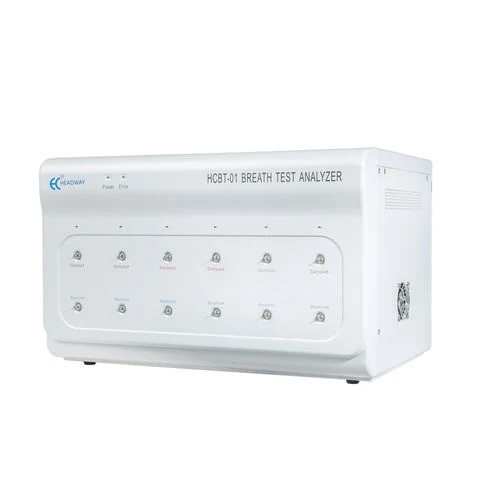
This non-invasive H. pylori examination uses breath samples. HCBT-01 measures changes in labelled carbon dioxide after the test substance is taken, helping detect active H. pylori infection as part of clinical assessment.
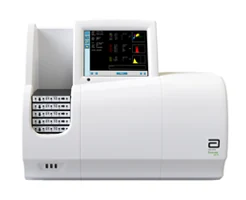
Automated complete blood count analysis measures key blood-cell parameters, helping your doctor assess concerns such as anaemia and review changes over time alongside your symptoms and medical history.
Blood-cell measurements within a CBC
Five-part white blood cell differential
Supports anaemia assessment and comparison over time
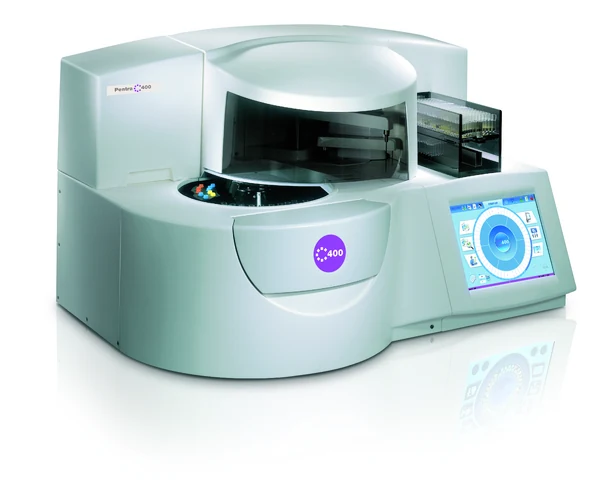
Automated clinical chemistry testing measures selected substances in your sample, supporting assessments such as kidney and liver function. Your requested tests and the available laboratory panel determine what is measured.
Chemistry measurements in serum or plasma, depending on the test
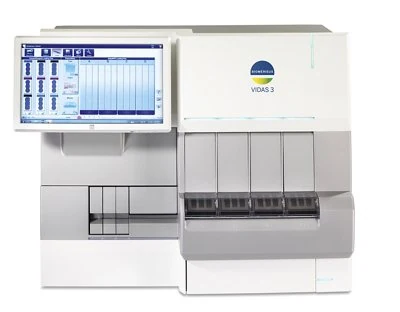
An automated immunoassay system supports selected hormone and other laboratory assessments using ELFA technology. Testing depends on your clinical request and the available approved assays, with results interpreted in context.
ELFA laboratory immunoassay technology
Supports selected requested hormone tests
Automated processing with sample and test traceability
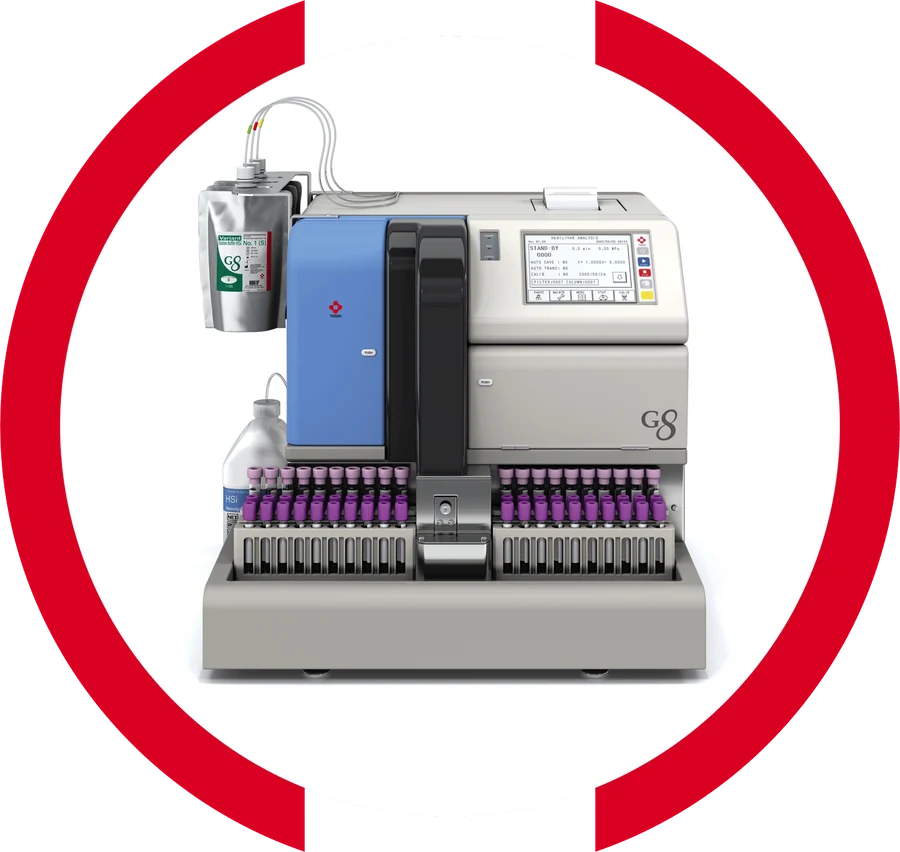
HbA1c testing uses ion-exchange HPLC to assess longer-term blood sugar control, supporting diabetes screening and follow-up. Your doctor interprets the result together with other tests and your medical history.
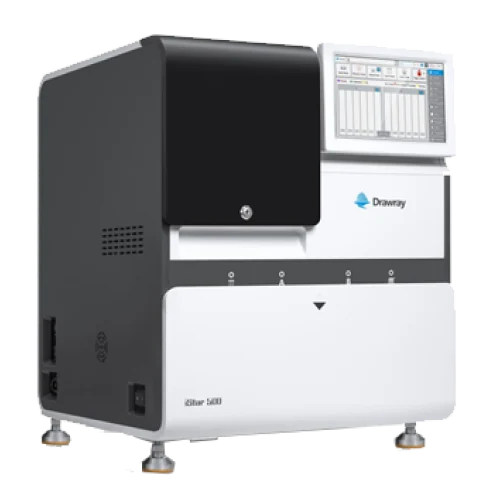
The iStar 500 performs immunoassays using chemiluminescence and automated sample processing. It measures requested markers using small specimen volumes, providing laboratory information that supports clinical assessment and follow-up.
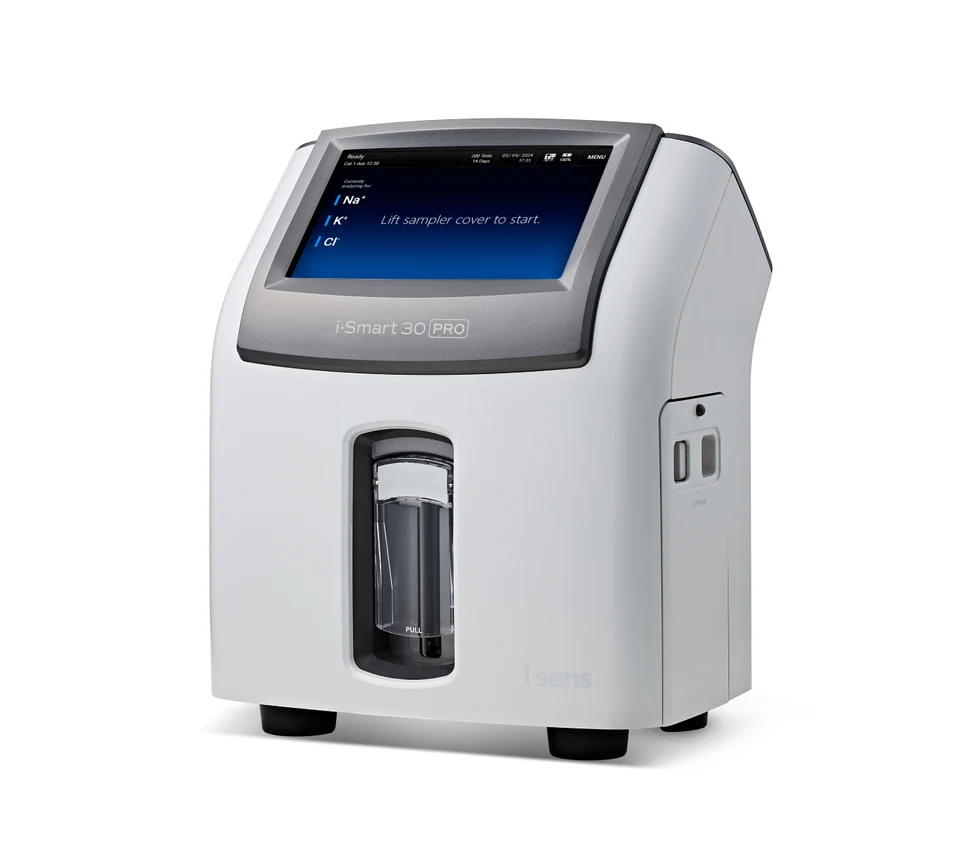
The i-Smart 30 PRO measures sodium, potassium and chloride in suitable specimens using dedicated cartridges. Electrolyte measurements support assessment of salt and fluid balance, kidney function and symptoms requiring these investigations.
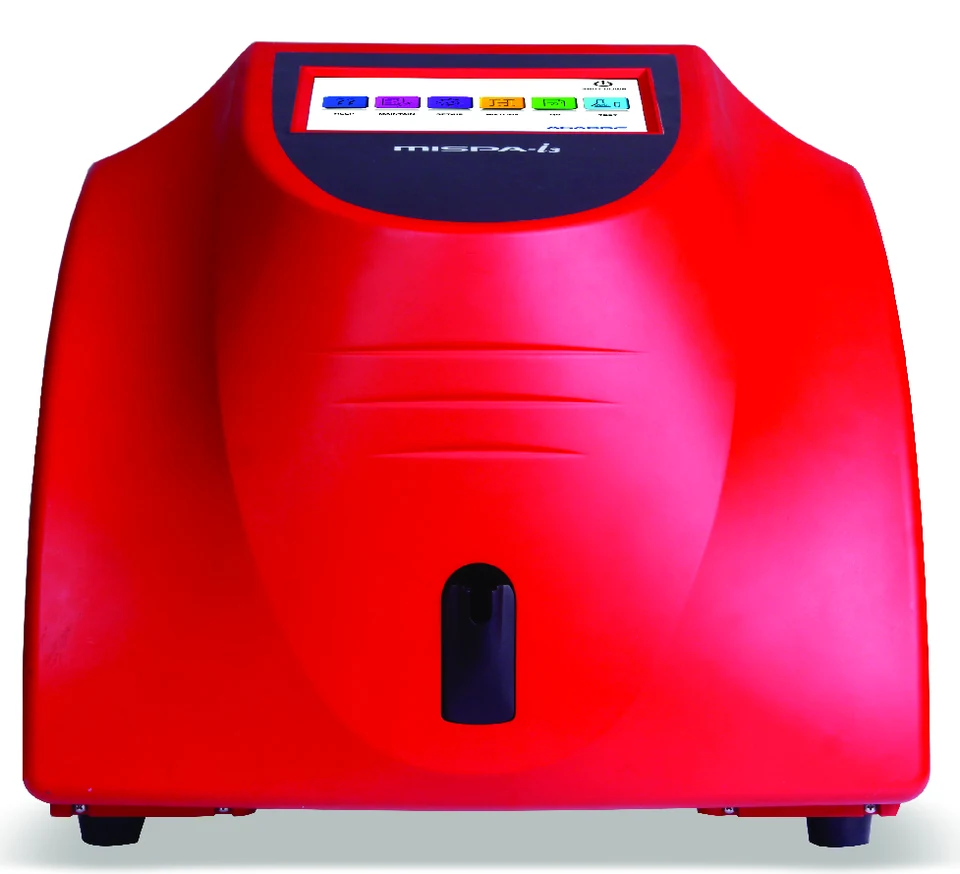
MISPA-i3 analyses specific proteins using dedicated cartridges and automated optical measurements. Requested protein tests support assessment of inflammation and immune-related markers, with a small specimen volume and organised laboratory processing.
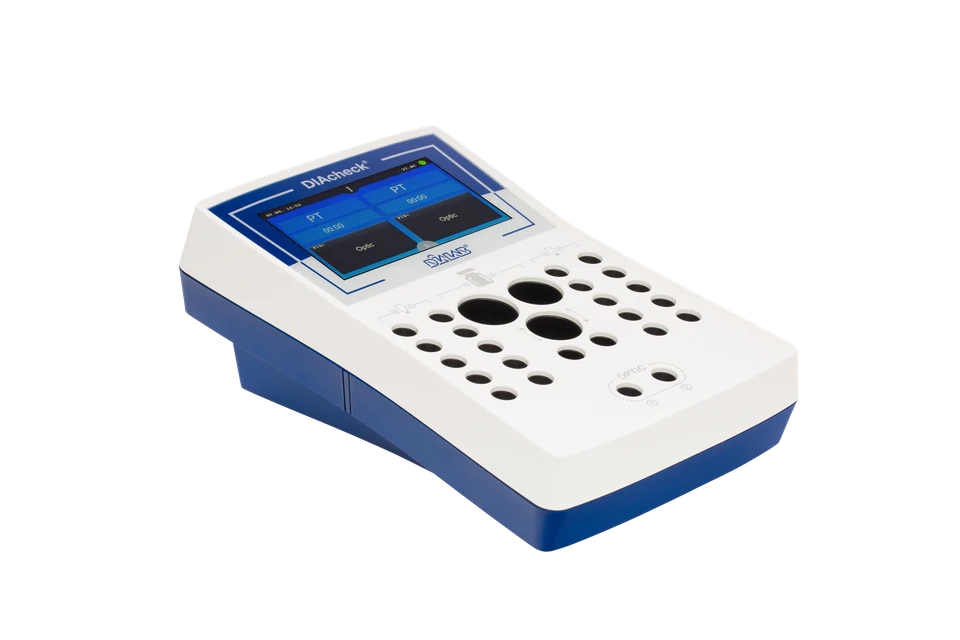
DIAcheck C2 supports coagulation testing, including PT and aPTT, using plasma and controlled-temperature measurement. These results help assess bleeding concerns or monitor selected anticoagulant treatments as part of the requested clinical investigation.
Coagulation testing in plasma
Support for bleeding assessment and selected treatment monitoring
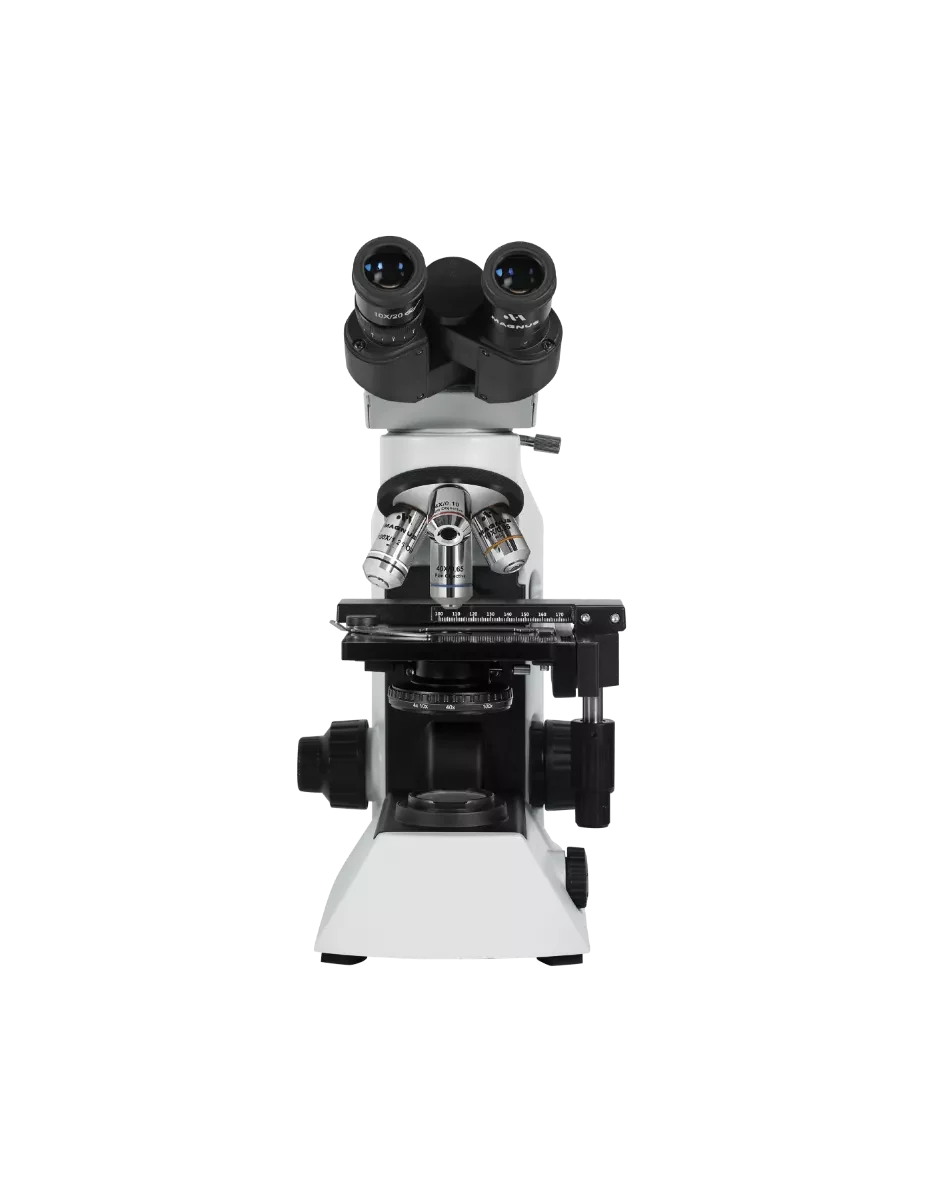
Magnus MX21i microscopy provides magnification and illumination for examining laboratory slides. Detailed viewing helps the laboratory assess suitable specimens, including urine and stool samples, as part of the requested investigation.
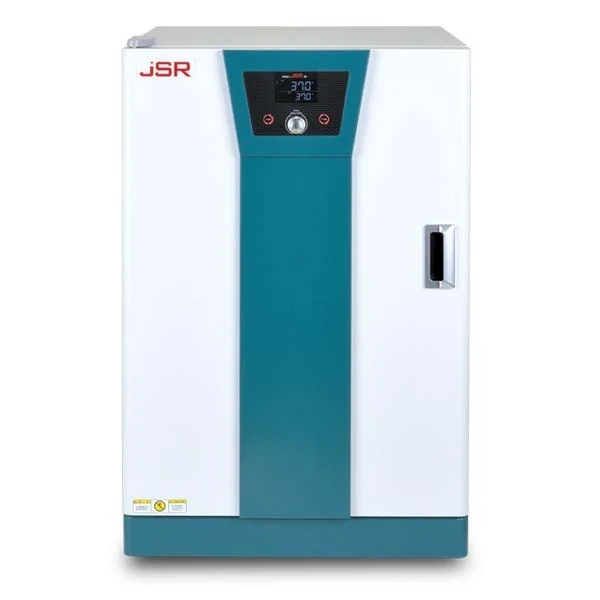
JSR incubation provides controlled temperatures for suitable laboratory specimens and materials. This stable environment supports the incubation stage of requested cultures, helping the laboratory follow the process appropriate to each specimen.
Your clinician selects tests and interprets results with your symptoms and medical history. The laboratory confirms specimen, preparation and medication instructions before your appointment, together with report timing. Culture timing depends on the specimen and required culture process.
Questions about the SIBO breath test
Does the test require preparation?
Yes. Contact the laboratory before your appointment for the diet, fasting and medication instructions appropriate for you. Do not stop or change medication without guidance from your clinical team.
When will I receive the result?
Results are available on the day the examination is completed. The laboratory confirms your appointment, preparation and report arrangements. Your clinician interprets the result alongside your symptoms and medical history.
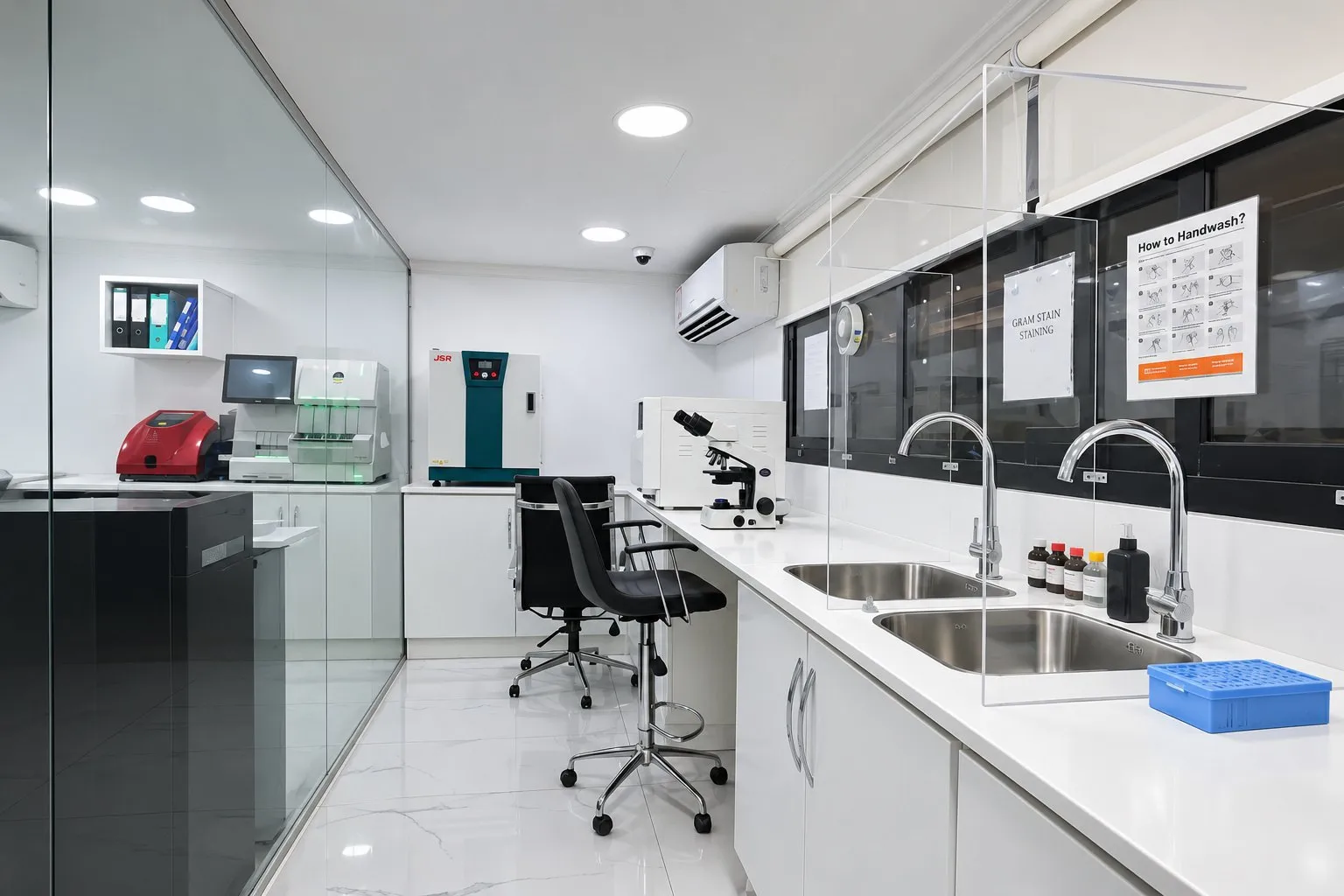
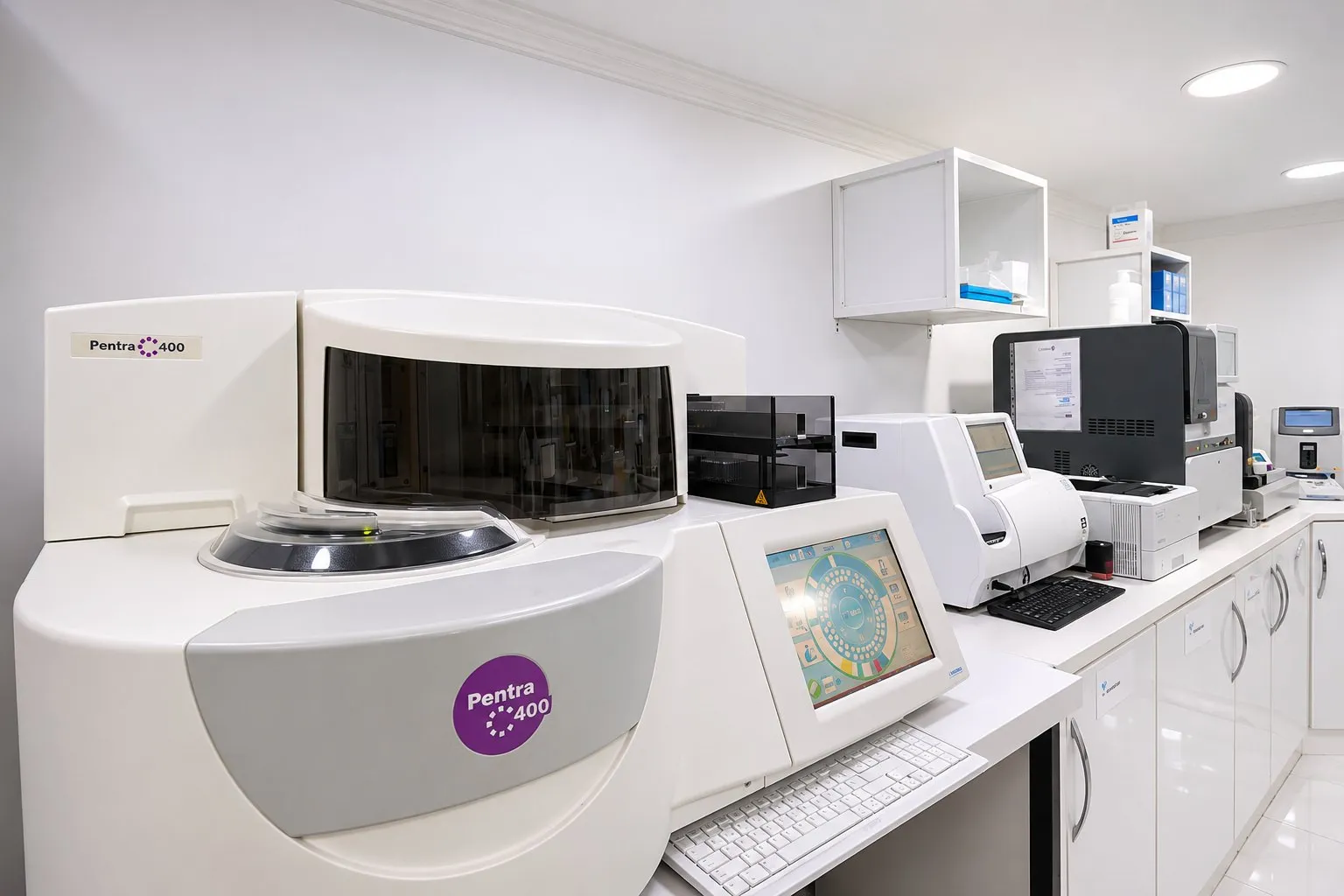
Inside the Surgical Branch laboratory
Photographs from Gardenia Medical Centre’s Surgical Branch.
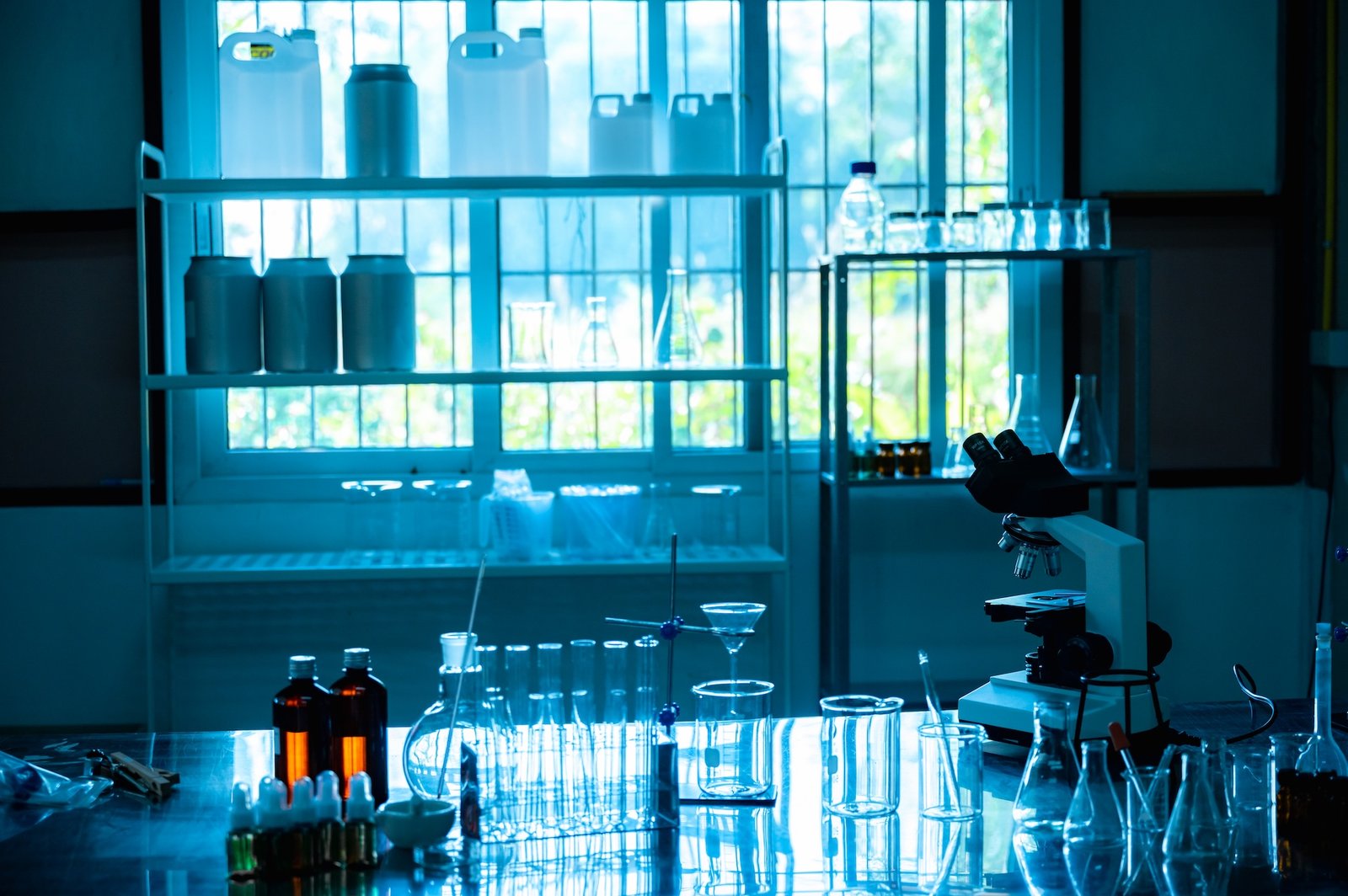
Laboratory workspace — Surgical Branch
Analysers inside the laboratory
Medical Laboratory in Qatar
Comprehensive Blood Tests & Clinical Diagnostics
A reliable Medical laboratory in Qatar plays an important role in routine health checks, investigating symptoms, and monitoring existing medical conditions. From basic blood work to more specialized testing, laboratory results can give doctors valuable information about how the body is functioning and whether further evaluation may be needed.
The right tests depend on your symptoms, medical history, and the reason for testing, so there is no single set of tests that is suitable for everyone. Common laboratory services may include blood cell counts, blood sugar testing, cholesterol testing, liver and kidney function tests, hormone testing, and vitamin levels. Proper sample collection, handling, and analysis are also essential for obtaining dependable results.
At Gardenia Medical Complex, the laboratory team provides a wide range of diagnostic tests to support accurate medical assessment and ongoing patient care in Qatar.
Laboratory Tests and Diagnostic Services
A Clinical laboratory in Qatar can provide different types of testing based on individual medical needs, ranging from routine preventive checkups to advanced clinical investigations requested by a physician:
Hematology & Complete Blood Counts: Evaluating red blood cells, hemoglobin, white blood cells, and platelets to detect anemia, infections, and clotting disorders.
Biochemistry & Organ Function: Assessing renal profiles (kidney function), hepatic panels (liver enzymes), electrolytes, and blood glucose control.
Lipid & Cardiovascular Profiles: Measuring total cholesterol, HDL, LDL, and triglycerides to calculate cardiovascular risk factors.
Hormone & Endocrine Assays: Comprehensive testing for thyroid function (TSH, Free T3/T4), fertility hormones, reproductive panels, and insulin levels.
Micronutrient & Vitamin Screening: Pinpointing nutritional deficiencies including Vitamin D, Vitamin B12, serum iron, and ferritin reserves.
Immunology & Serology: Screening for viral infections, infectious diseases, and autoimmune biomarkers.
When Should You Have Laboratory Tests?
Routine diagnostic testing provides proactive insights into internal health long before symptoms become noticeable. Testing is strongly recommended under several circumstances:
Periodic Preventive Wellness: Routine annual checkups tailored to age, family medical history, and lifestyle factors.
Chronic Disease Monitoring: Regular tracking of glycemic control in diabetes (HbA1c), medication safety profiles, and lipid levels.
Pre-Operative or Prenatal Care: Mandatory baseline assessments before surgical procedures or throughout pregnancy milestones.
An abnormal result does not automatically mean that you have a specific disease. Doctors interpret laboratory results alongside symptoms, medical history, physical examination, and, when necessary, additional investigations.
Choosing a Reliable Diagnostic Laboratory in Doha
When looking for the Best diagnostic lab Doha has to offer, accuracy must be supported by stringent quality assurance and patient-centered protocols:
State-of-the-Art Automated Analyzers: High-throughput diagnostic instruments that minimize manual handling and deliver reproducible accuracy.
Fast Turnaround & Secure Digital Reports: Rapid result delivery with integrated clinical reference ranges for straightforward medical interpretation.
Some laboratory tests require preparation before the appointment, so it is important to check the instructions provided for your specific test. Following these instructions, such as fasting guidelines, helps ensure that the sample is collected under appropriate clinical conditions.
Diagnostic Care at Gardenia Medical Complex
At Gardenia Medical Complex, our diagnostic wing is fully integrated with specialized clinical departments to offer a seamless patient experience:
Multidisciplinary Support: Direct collaboration between clinical pathologists and attending physicians to translate lab values into effective treatment plans.
Comprehensive Service Spectrum: From specialized women's health panels to full-body health screenings performed under one roof in Doha.
Strict Quality Controls: Adherence to internationally recognized standards of clinical laboratory precision and biological sample safety in Qatar.
Book Your Laboratory Tests at Gardenia Medical Complex
If you need routine blood work, diagnostic testing, or specialized laboratory panels requested by your doctor, Gardenia Medical Complex can help you identify the available tests and any preparation required before your appointment.
Visit Gardenia Medical Complex in Doha or book your laboratory appointment today to discuss your diagnostic testing needs with our clinical team.
FAQs About Blood Tests and Medical Laboratory Services
Before attending for a sample
Prepare the test request if you have one, medicine and supplement names, and earlier results you wish to compare. Ask about preparation for the exact tests requested. Not every blood test requires fasting, and preparation differs between tests.
Confirm the test and preparation
If you send a list to the centre, ask for confirmation of the test names, sample-collection method and appropriate attendance arrangements. Do not stop medicine or change food and drink based on general instructions; follow the advice linked to your request.
Receiving and reviewing results
Ask when each result is expected and how to obtain it, because tests on the same request may be completed at different times. Keep the complete report and review it with the requesting doctor. A result outside the reference range needs interpretation in the context of your health.
What Are the Most Important Blood Tests in Qatar?
Common tests include CBC, HbA1c, lipid profile, and liver and kidney function tests, although the appropriate tests vary according to your health and medical needs.
When Can a CBC Result Be Concerning in Doha?
Significant or unexpected changes in red blood cells, white blood cells, or platelets may require further medical evaluation, particularly when the abnormalities are marked or associated with symptoms.
Do Blood Tests Require Fasting in Qatar?
Not all blood tests require fasting, but certain tests, including some glucose and lipid tests, may require fasting depending on the specific test and your doctor’s instructions.
Book Your Visit
Explore the specialty and doctor profiles, then arrange your appointment and visit with the Gardenia team.
 Results on the day of testing