Dr. Faycal Rebahi
Anaesthesia
Experience in general and regional anaesthesia and perioperative care.
View profile and booking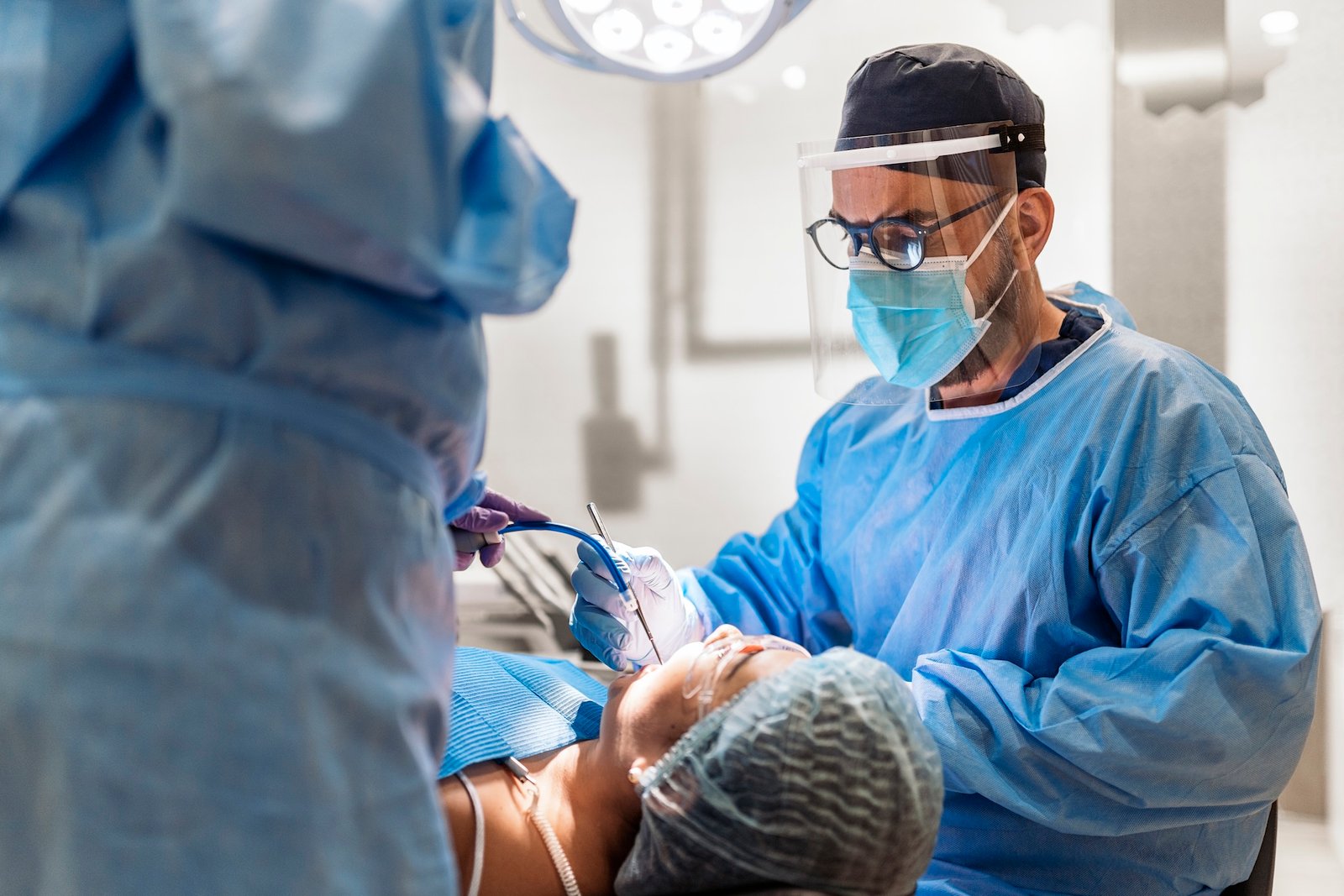
Pre-anaesthetic assessment, an individual procedure plan, monitoring and recovery care coordinated with the surgical team.
Explore the doctors by specialty. Your clinician, location and anaesthetic plan are agreed after assessment of your procedure and health.
Anaesthesia
Experience in general and regional anaesthesia and perioperative care.
View profile and bookingMonitoring and anaesthesia planning based on your assessment.
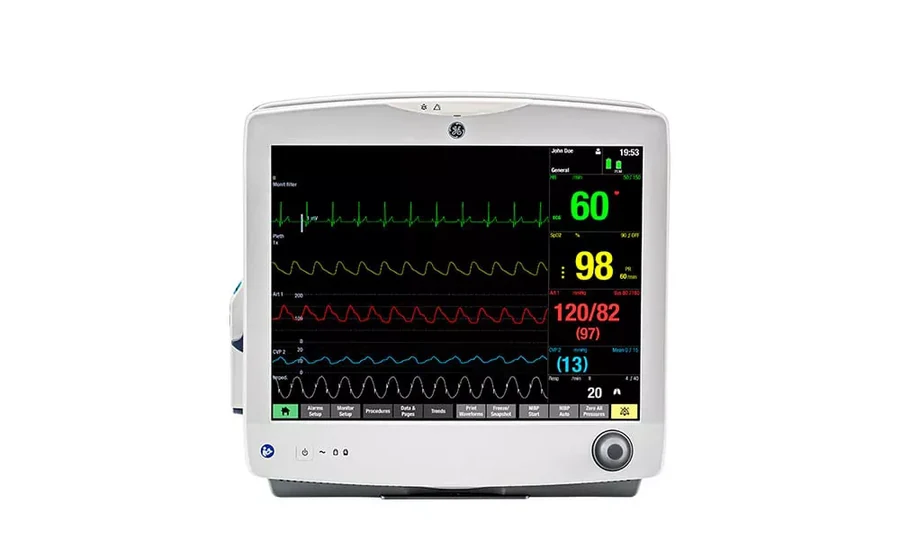
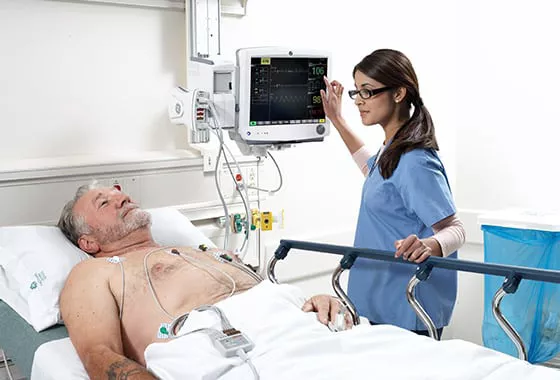
GE HealthCare · CARESCAPE B650
CARESCAPE B650 brings patient-monitoring information together on one display during care. Readings, trends and alarms help the team observe changes and respond within the anaesthetic or recovery plan selected for the procedure.
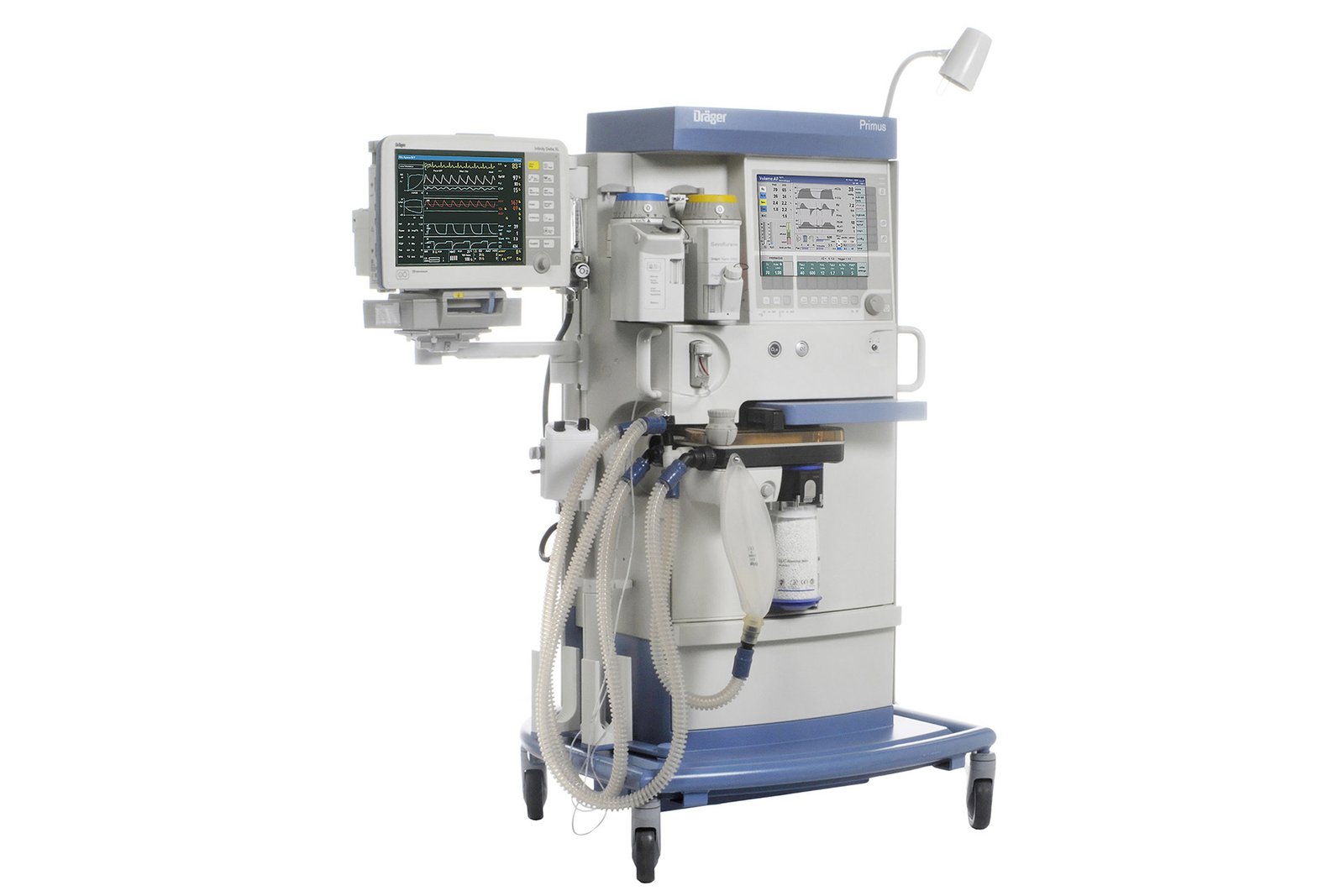
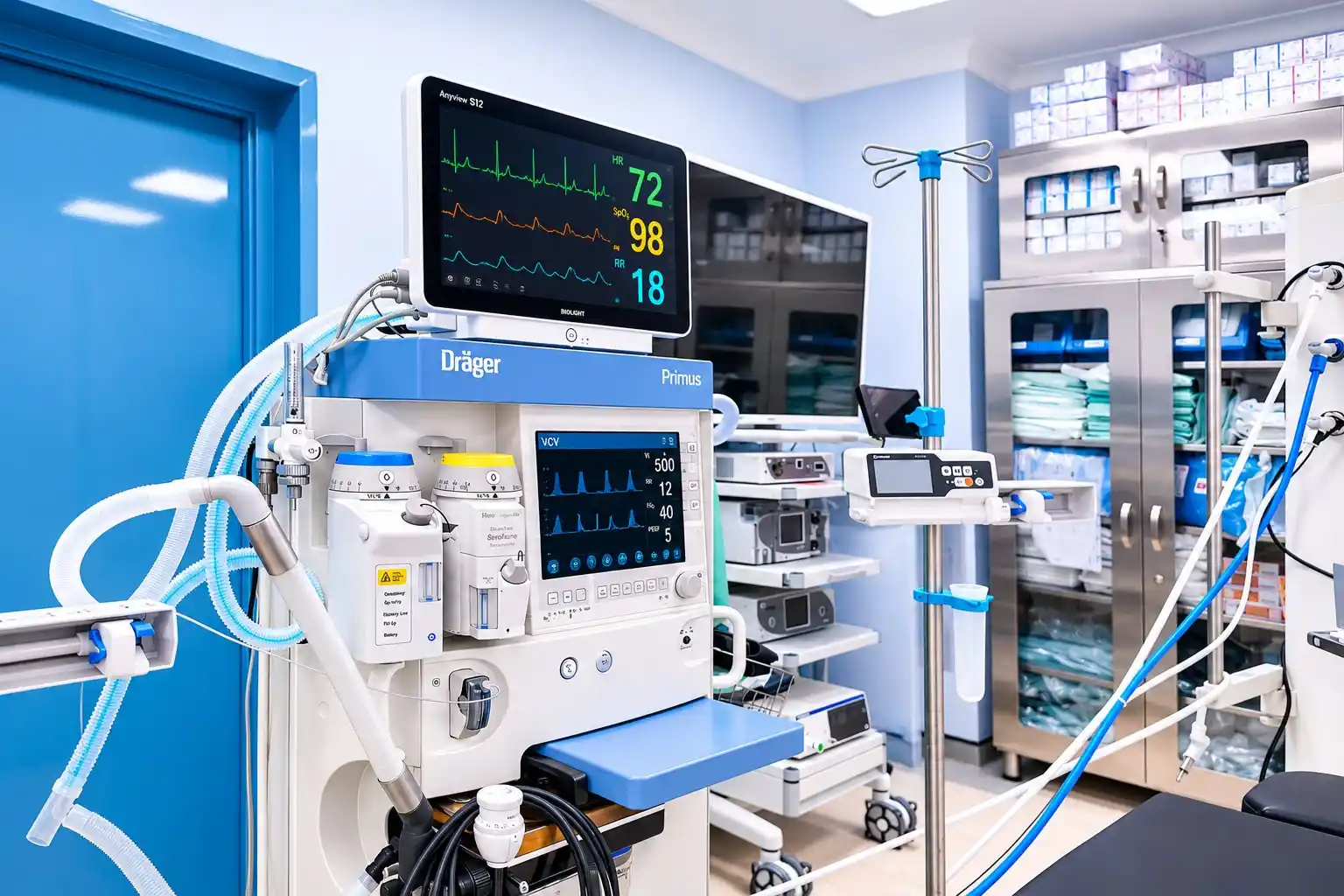
Dräger Primus — manufacturer product image
The Dräger Primus workstation supports anaesthetic delivery and ventilation during surgery. The anaesthesia team adjusts the settings for the patient and procedure and monitors the patient throughout the operation.
If you feel anxious about your scan, sedation or anaesthesia can be arranged with the radiology team following assessment by an anaesthetist. Contact us before your scan to arrange an assessment and individual instructions.
Explore MRIPhotographs from Gardenia Medical Centre’s Surgical Branch.
The anaesthetist works with the surgeon and nursing team to plan care around the procedure and your health. This begins with a review of your medical history, medicines, allergies and previous experiences of anaesthesia, and continues through the procedure, recovery monitoring and assessment of pain afterwards. The name of the operation alone does not determine the plan.
General anaesthesia makes you unconscious during a procedure. Regional anaesthesia reduces sensation in a larger part of the body and includes techniques such as spinal anaesthesia and nerve blocks. Local anaesthesia numbs a small area. Sedation reduces anxiety and awareness to a level matched to the plan. Your anaesthetist explains which option is appropriate and can be arranged for your procedure; every technique is not suitable for every patient.
Bring a list of medicines and supplements, relevant reports and test results. Tell the team about allergies, long-term conditions and previous anaesthetic problems. Mention any equipment you normally use, such as a sleep-apnoea device. Ask for the instructions that apply to food, drink and medicines before your procedure. Do not change regular treatment on your own.
The team reviews your identity, procedure and plan before starting. Monitoring continues during the procedure and in recovery according to your needs. The team discusses management of pain or nausea when required and assesses when you are ready to move on or go home. You receive procedure-specific follow-up instructions, including escort and transport arrangements when needed.
Meet the anaesthetists in the team cards below. Anaesthesia is coordinated with the surgeon as part of the procedure plan. A pre-anaesthetic assessment can be requested when appropriate, with the details reviewed against your procedure and health.