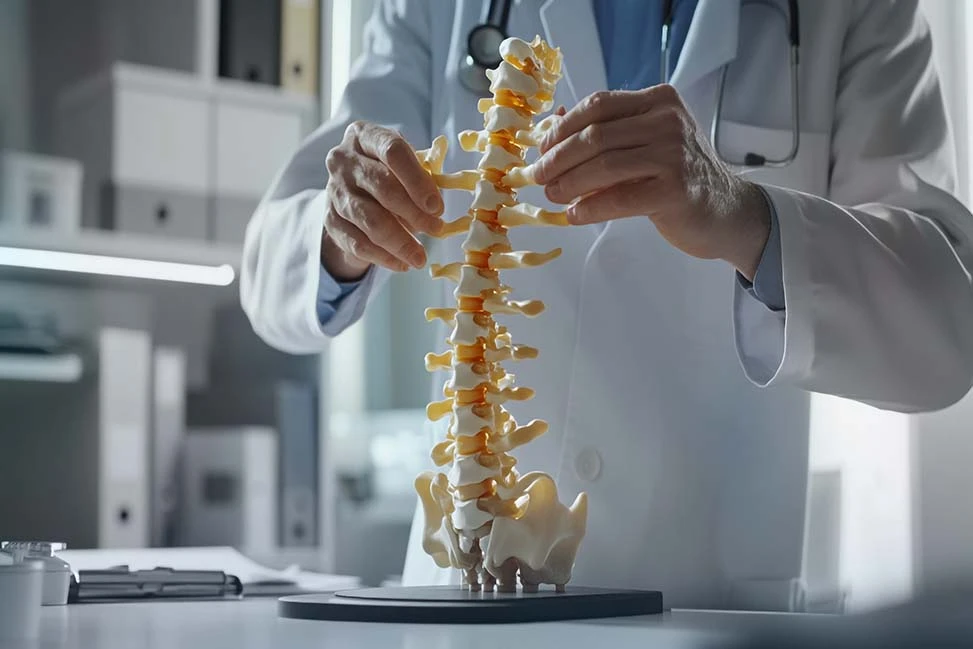
Bone Health and Nutrition
Expert guidance on maintaining strong bones through proper nutrition, supplements, and lifestyle modifications.
Bone Health & Clinical Nutrition Clinic in Doha
For Stronger Bones and Better Nutrition | Gardenia Medical Center
At Gardenia Medical Center, bone health is approached through both medical assessment and personalized nutrition, helping patients understand the factors that influence bone strength, mineral density, and fracture risk. A Bone Health & Clinical Nutrition Clinic In Doha can evaluate nutritional habits, vitamin and mineral status, lifestyle factors, and medical conditions that may affect the skeleton. Bone health depends on more than calcium alone, with vitamin D, adequate protein, physical activity, muscle strength, and fall prevention also playing important roles. Depending on age and risk factors, assessment may include laboratory tests or a bone mineral density scan to identify reduced bone mass and guide an appropriate care plan.
When Should You Have A Bone Health Assessment?
A bone health assessment can be especially useful for people with risk factors such as older age, previous fragility fractures, a family history of osteoporosis, low body weight, certain medical conditions, or long-term use of medications that may weaken bones. The assessment may include medical history, dietary review, physical activity, and fracture-risk evaluation, with additional testing when clinically indicated.
Vitamin D and Calcium Management
Vitamin D Deficiency Treatment In Qatar
Vitamin D Deficiency Treatment begins by confirming whether a deficiency exists and considering the possible cause. Management may include dietary sources, safe sunlight exposure, and supplements when medically appropriate. Vitamin D helps the body absorb calcium and supports normal bone mineralization.
Calcium And Bone Strength
Calcium is an essential mineral for maintaining strong bones, but bone health depends on a balanced overall diet rather than one nutrient alone. Dairy products, fortified foods, certain fish, and some leafy vegetables can contribute to daily calcium intake.
Calcium Deficiency Specialist In Doha
A Calcium Deficiency Specialist can assess whether low calcium intake or another medical factor may be contributing to poor bone health. The recommended amount of calcium depends on age, sex, life stage, dietary intake, and individual health needs, so high-dose supplementation should not be started without appropriate medical guidance.
Nutrition and Diet for Bone Strength
Nutrition For Osteopenia And Osteoporosis
Nutritional Support For Osteopenia And Osteoporosis focuses on meeting the body's requirements for calcium, vitamin D, protein, and other essential nutrients. People with low bone mass may also benefit from resistance training, weight-bearing exercise, and strategies designed to reduce fall risk.
Joint Health And Bone Strengthening Diet
A Joint Health and Bone Strengthening Diet should include a variety of nutrient-dense foods rather than relying on a single supplement or food. Useful choices may include dairy products, fatty fish, eggs, fortified foods, fruits, vegetables, whole grains, and protein-rich foods.
Vitamin D Sources
Vitamin D can be obtained from fatty fish such as salmon, tuna, and sardines, egg yolks, and fortified foods such as some milks and breakfast cereals. Sun exposure can also contribute to vitamin D production, although the amount produced varies according to factors such as skin type, season, location, and lifestyle.
Diagnostic Testing and Screening
Bone Density Testing
Bone mineral density testing is an important tool for assessing bone strength and fracture risk. DXA or DEXA is commonly used to measure bone density at the hip and spine and can help diagnose osteoporosis and monitor changes over time.
Bone Health Checkup Packages Qatar
Bone Health Checkup Packages may include vitamin D and other laboratory tests, with bone density testing added when clinically appropriate. Not everyone needs the same group of tests, so the evaluation should be based on age, symptoms, risk factors, and medical history.
Lifestyle, Exercise, and Supplements
Exercise And Bone Health
Weight-bearing activities such as walking and resistance exercises can help maintain bone and muscle strength. Balance and muscle-strengthening activities may also help reduce the risk of falls, particularly among older adults. Exercise plans should be adjusted for anyone with a high fracture risk or an existing bone condition.
Supplements And Bone Health
Supplements may be useful when dietary intake is insufficient or a deficiency has been identified, but taking larger doses does not necessarily provide greater benefit. Excessive calcium or vitamin D intake can cause health problems, so supplements should be selected according to individual requirements and medical advice.
Choosing a Specialist
Best Doctor For Vitamin D Deficiency In Doha
When choosing the Best Doctor For Vitamin D Deficiency In Doha, consider whether the clinician evaluates the underlying cause of the deficiency rather than treating the laboratory value alone. Other health conditions, medications, dietary factors, and absorption problems can influence vitamin D status.
Dietitian For Osteoporosis Near Me
When searching for a Dietitian For Osteoporosis Near Me, look for a professional who can coordinate nutrition recommendations with medical findings, medications, laboratory results, and bone density measurements when available. This is especially important when osteoporosis or osteopenia is already diagnosed.
Bone Health Care At Gardenia Medical Center
At Gardenia Medical Center, patients can discuss bone health, nutrition, vitamin D and calcium status, lifestyle factors, and bone density results when available. The care plan is tailored to age, medical history, dietary habits, activity level, and individual fracture risk.
Build A Personalized Bone Health Plan
If you have low vitamin D, inadequate calcium intake, low bone density, a previous fracture, or risk factors for osteoporosis, a structured assessment can help identify the areas that need attention.
A Bone Health & Clinical Nutrition Clinic can bring together medical evaluation and nutritional guidance to support bone strength, healthy movement, and long-term fracture prevention according to each patient's needs.
FAQs about Bone Health and Nutrition
Other Services
