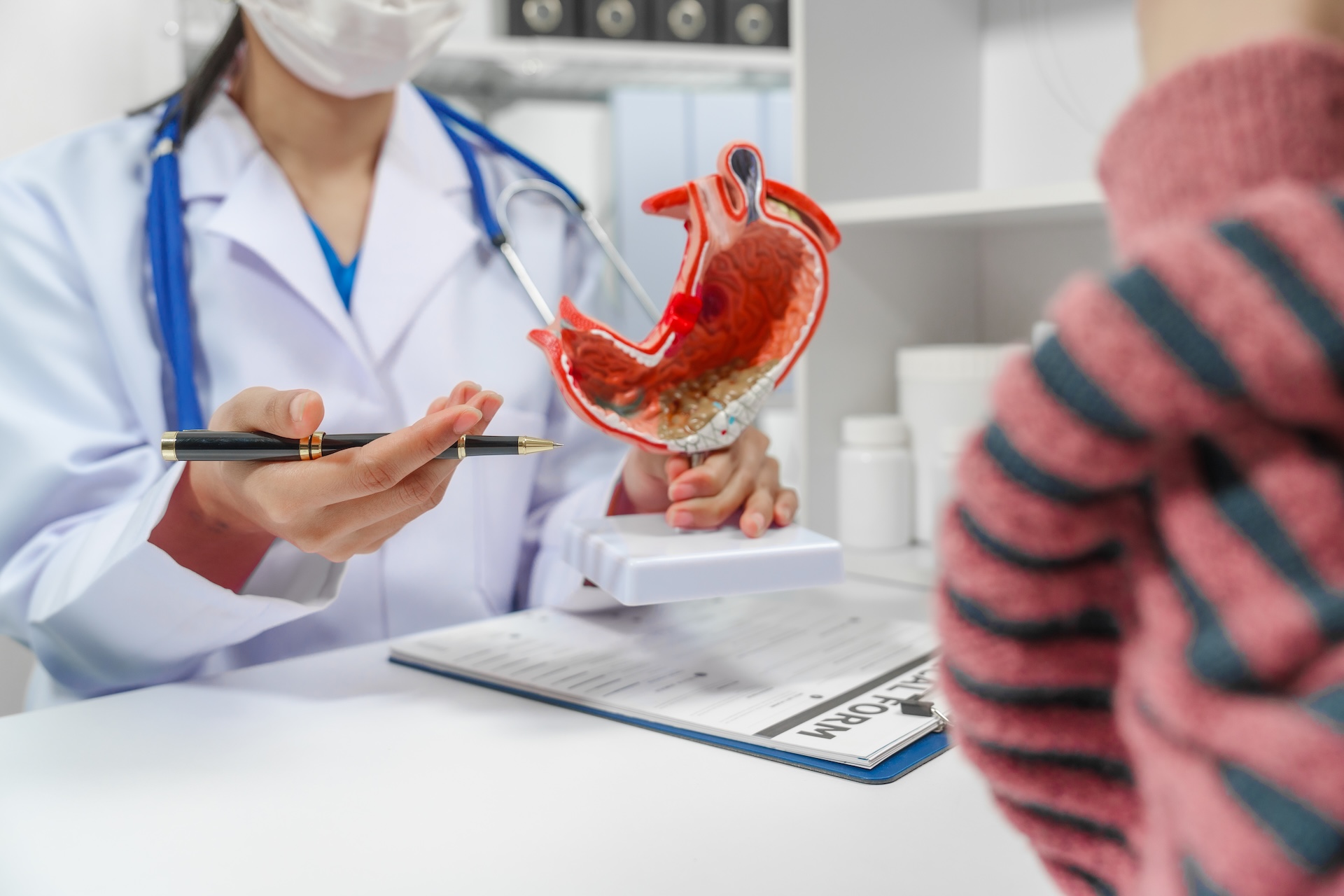
Inflammatory Bowel Disease (IBD) Care
Advanced medical management for Crohn’s disease and Ulcerative Colitis to achieve and maintain long-term remission.
Inflammatory Bowel Disease (IBD) Care Clinic in Doha
Gardenia Medical Centre
Living with ongoing abdominal pain, diarrhea, fatigue, or other digestive symptoms can affect your daily life, especially when these symptoms are caused by a chronic inflammatory condition. At Gardenia Medical Centre, our gastroenterology team provides personalized care for patients with inflammatory bowel disease (IBD), including Crohn’s disease and ulcerative colitis. Inflammatory Bowel Disease (IBD) Care clinic in Doha, Qatar focuses on controlling inflammation, managing symptoms, monitoring your condition, and reducing the risk of complications through an individualized care plan.
What Is Inflammatory Bowel Disease?
Inflammatory bowel disease refers mainly to Crohn’s disease and ulcerative colitis, chronic conditions that cause inflammation in the digestive tract. Crohn’s disease can affect different areas of the digestive system, while ulcerative colitis primarily affects the colon and rectum.
Symptoms may include persistent diarrhea, abdominal pain, rectal bleeding, fatigue, weight loss, or an urgent need to have a bowel movement. The severity and pattern of symptoms can vary, and periods of active disease may alternate with remission.
IBD Diagnosis and Assessment
Diagnosing IBD usually involves reviewing your symptoms and medical history along with appropriate testing. Depending on your situation, your gastroenterologist may recommend blood or stool tests, imaging, or endoscopic examinations such as colonoscopy.
A careful assessment helps distinguish IBD from other digestive conditions and provides information about the location and severity of inflammation. At Gardenia Medical Centre, the diagnostic approach is selected according to your symptoms and individual medical needs.
IBD Treatment and Long-Term Management
The main goals of the Inflammatory Bowel Disease (IBD) Care clinic in Doha are to reduce intestinal inflammation, achieve and maintain remission, relieve symptoms, and help prevent complications.
Treatment varies according to the type and severity of IBD. It may include anti-inflammatory medicines, immune-modifying treatments, biologic therapies, nutritional support, or other approaches recommended by your gastroenterologist. Regular monitoring is important because symptoms alone may not always reflect the level of inflammation.
Biologic therapies can be effective for certain patients with moderate to severe IBD, but they require appropriate medical assessment and ongoing monitoring. Your specialist will consider your condition, treatment history, and potential risks before recommending a biologic.
Supporting Digestive Health With IBD
Medical treatment is only one part of managing a chronic digestive condition. Nutrition, hydration, lifestyle habits, and regular follow-up can also support your overall well-being.
Dietary needs may change during an IBD flare or remission. Rather than following a restrictive diet without medical guidance, it is important to discuss your nutritional needs with your healthcare team, particularly if you are experiencing weight loss or difficulty maintaining adequate nutrition.
IBD Care at Gardenia Medical Centre
If you are looking for an Inflammatory Bowel Disease (IBD) Care clinic in Doha, Gardenia Medical Centre provides specialist gastroenterology assessment and ongoing management for chronic inflammatory bowel conditions.
Our approach focuses on understanding your condition, monitoring disease activity, adjusting treatment when necessary, and helping you manage your digestive health over the long term.
Book Your IBD Consultation
If you have persistent digestive symptoms or have already been diagnosed with Crohn’s disease or ulcerative colitis, contact Gardenia Medical Centre to arrange a consultation and discuss a personalized IBD care plan.
FAQs about Inflammatory Bowel Disease (IBD) Care
Other Services
