Non-Surgical Interventional Radiology Qatar
For decades, undergoing medical treatment often meant open surgery, general anesthesia, prolonged hospital stays, and lengthy, painful recovery periods. Today, modern medical science has transformed this experience. Patients can now receive definitive treatments for complex conditions through a pinhole incision no larger than the tip of a needle. This breakthrough is the foundation of Non-surgical interventional radiology Qatar, a specialty reshaping modern medicine and patient care across the region.
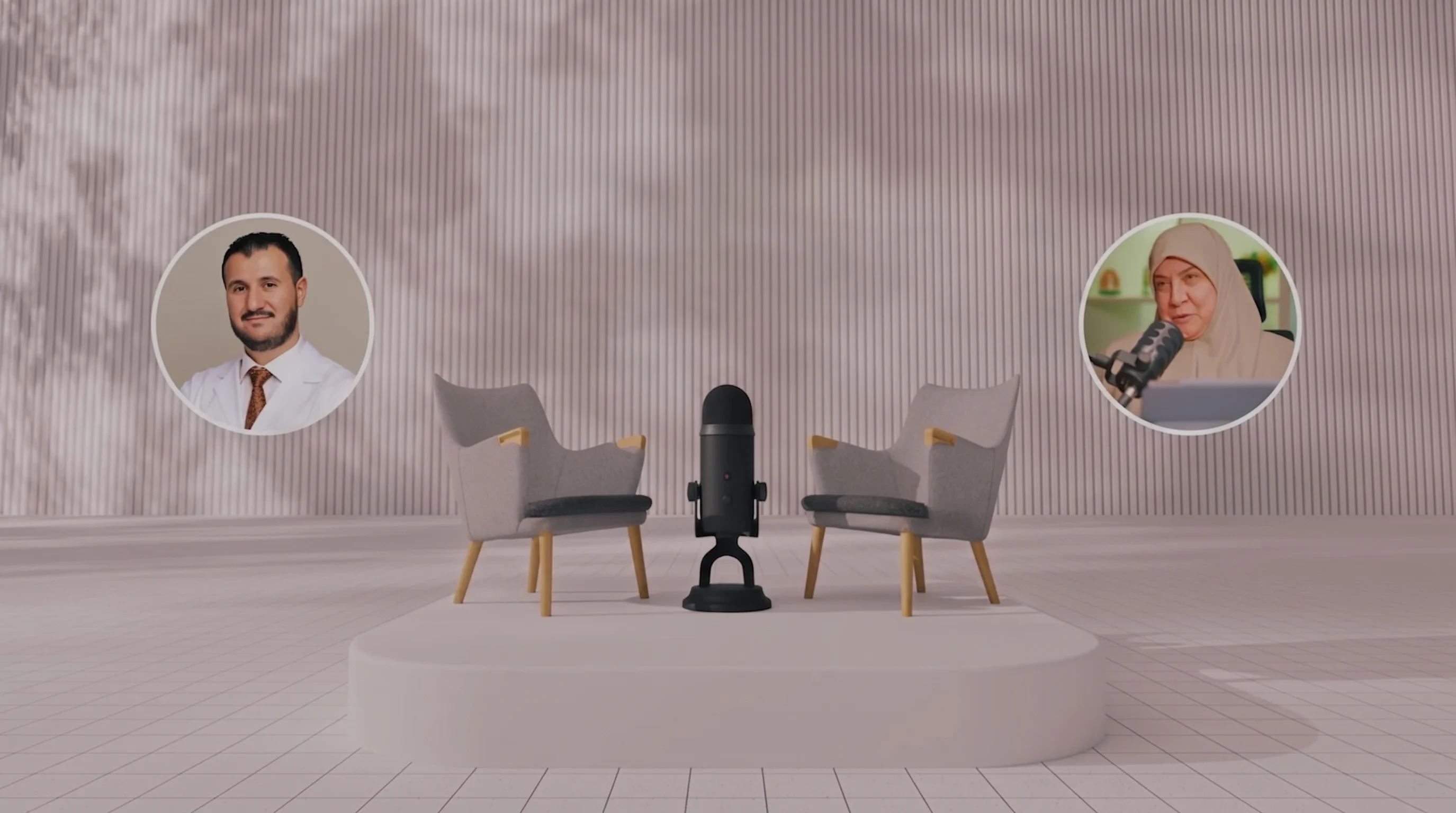
In this featured episode of the “Expert Opinion” podcast, Dr. Arouba Al-Ani (Family Medicine Specialist at Gardenia Medical Centre) sits down with her colleague, Dr. Abdelkhalik Mohamed Elghoul, widely recognized as a leading specialist and among the best interventional radiologist in Doha practitioners. Together, they discuss how targeted, image-guided procedures provide safe, highly effective alternatives to traditional surgery.
What Is Interventional Radiology and How Does It Work?
Interventional Radiology (IR) is an advanced medical specialty that bridges diagnostic imaging and therapeutic intervention. Rather than merely diagnosing conditions from scans, interventional radiologists use real-time imaging systems to deliver precise medical therapy directly to the source of disease. These modalities include:
- High-resolution Computed Tomography (CT Scans)
- Real-time Diagnostic Ultrasound
- Digital Fluoroscopy and Live X-Ray Guidance
- Magnetic Resonance Imaging (MRI)
Using these imaging technologies, interventional radiologists navigate micro-catheters, specialized needles, and hair-thin guidewires through blood vessels or directly through the skin. This approach allows doctors to treat internal conditions with pinpoint accuracy while sparing surrounding healthy tissue, eliminating the need for large surgical incisions or invasive open procedures.
Interventional Oncology in Doha: Targeted Treatment for Complex Tumors
Interventional oncology is one of the most vital fields within modern medicine, offering effective alternatives for patients seeking minimally invasive treatments for benign and malignant conditions. By targeting lesions directly at their vascular or cellular root, specialists can control disease progression with minimal side effects through techniques such as:
1. Thermal & Microwave Ablation
A specialized needle-electrode is placed directly into the tumor core under real-time imaging guidance. Thermal energy or microwave waves destroy abnormal cells and close off local micro-vessels within minutes. This method is widely used for liver, lung, kidney, and benign thyroid nodules without open surgery.
2. Transcatheter Arterial Embolization (TAE)
Microscopic particles or therapeutic agents are delivered directly into the specific arteries feeding a tumor or abnormal growth, cutting off its blood supply and causing it to shrink. Embolization is highly successful for treating uterine fibroids, vascular malformations, and enlarged prostate (BPH) without surgical organ removal.
Conditions Treated with Interventional Radiology Procedures in Qatar
Clinics offering modern interventional radiology procedures in Qatar treat a broad spectrum of medical conditions across various specialties, including:
- Peripheral Vascular Diseases: Angioplasty, stenting for narrowed blood vessels, deep vein thrombosis management, and laser/catheter treatments for varicose veins.
- Uterine Fibroids & Pelvic Congestion: Minimally invasive uterine artery embolization (UAE) that preserves fertility and relieves symptoms without hysterectomy.
- Thyroid Nodules: Radiofrequency ablation (RFA) for symptomatic benign thyroid nodules, leaving no neck scars.
- Chronic Pain Management & Spine Care: Image-guided joint injections, nerve blocks, and vertebroplasty (medical cement stabilization) for osteoporotic spinal fractures.
- Targeted Needle Biopsies: High-precision tissue sampling of the liver, lungs, thyroid, or breast under direct imaging to ensure safety and diagnostic accuracy.
Key Advantages of Minimally Invasive Interventional Radiology
During the podcast, Dr. Abdelkhalik Elghoul highlighted why image-guided procedures have become the preferred standard of care for many clinical scenarios:
- Pinpoint Precision: Sub-millimeter accuracy targets diseased tissue directly without damaging adjacent vital structures.
- Local Anesthesia Over General Anesthesia: Most procedures require only local numbing and mild sedation, significantly reducing systemic risks—especially for elderly patients or those with chronic conditions.
- Minimal Pain and Near-Zero Scarring: Pinhole access points rarely require surgical stitches, reducing post-procedure pain and cosmetic concerns.
- Rapid Recovery and Same-Day Discharge: Most patients return home the same day or within 24 hours, resuming work and daily routines within just a few days.
Choosing an Advanced Radiology Clinic in Doha
Qatar's healthcare landscape continues to deliver world-class medical innovations. When looking for an advanced radiology clinic in Doha, Gardenia Medical Centre stands out as a dedicated facility for integrated diagnostic and therapeutic care.
At Gardenia Medical Centre, our clinical model combines proactive primary care under Dr. Arouba Al-Ani with the sub-specialized expertise of Dr. Abdelkhalik Elghoul. This collaborative approach ensures every patient receives an accurate diagnostic evaluation followed by an individualized treatment plan tailored to their health goals.
Featured Medical Specialists
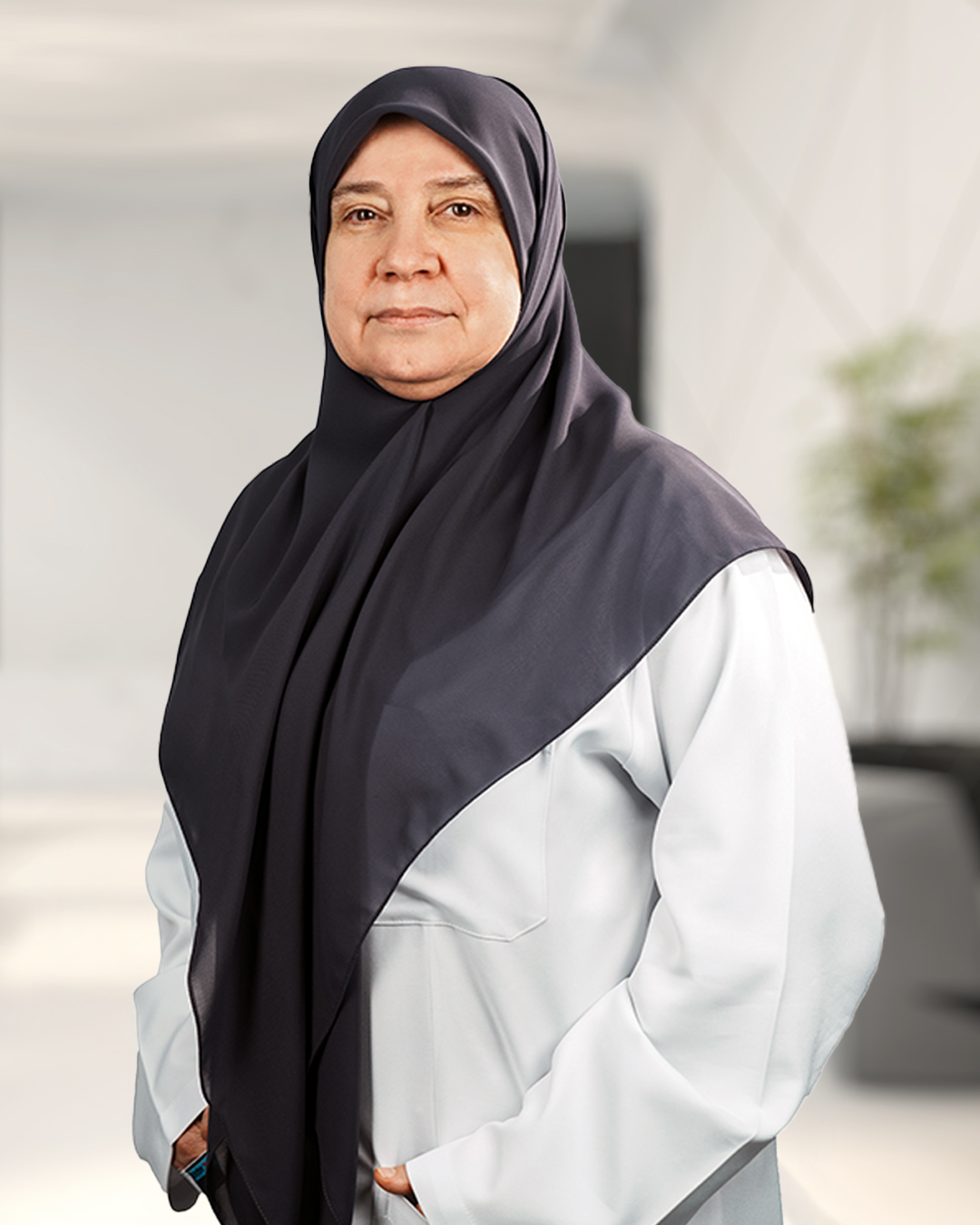
Dr. Arouba Al-Ani
Family Medicine & Primary Healthcare Specialist
Expert in comprehensive clinical assessments, preventive medicine, chronic disease management, and coordinating multi-disciplinary care pathways.
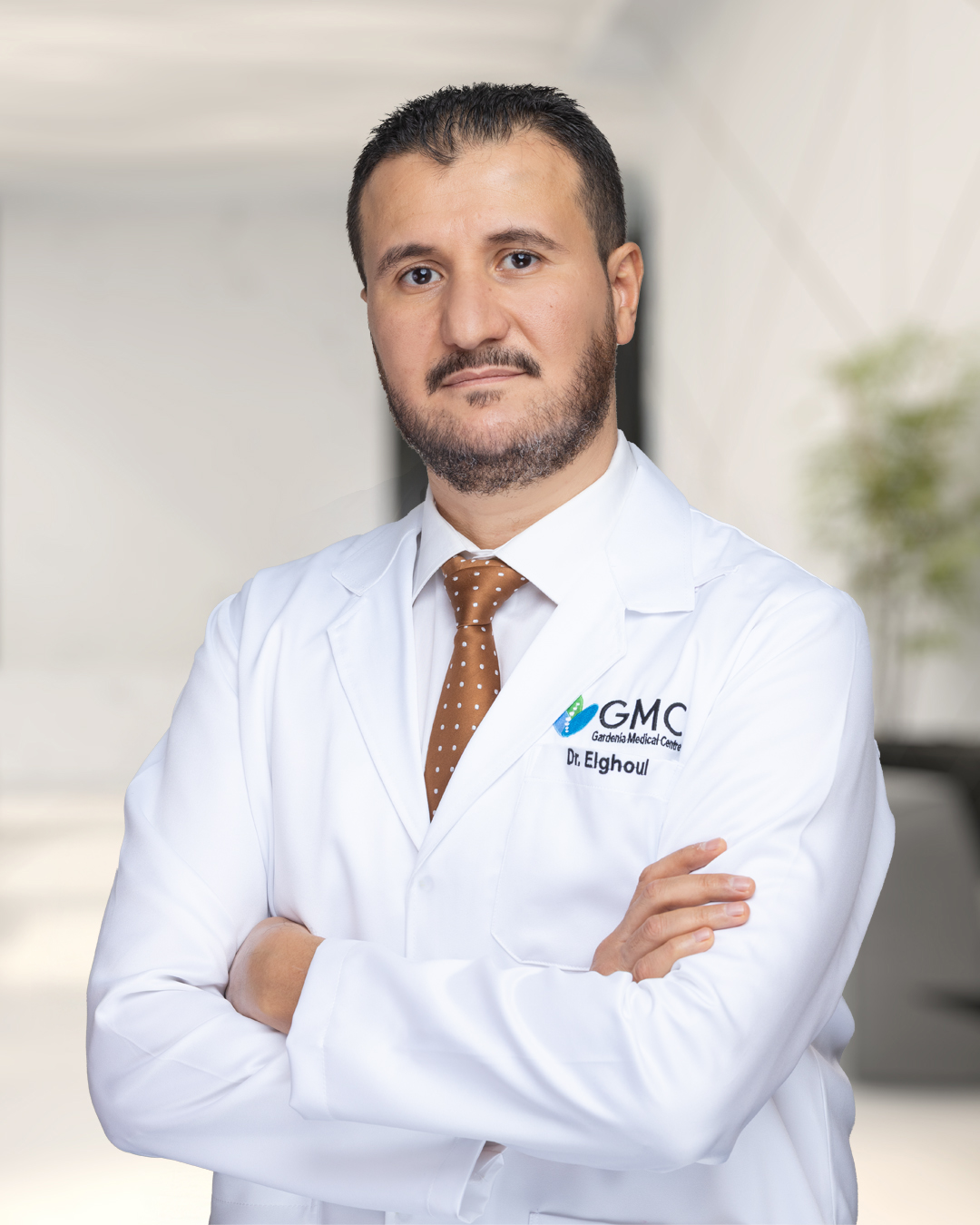
Dr. Abdelkhalik Mohamed Elghoul
Consultant Interventional Radiologist
Specialist in image-guided catheter interventions, tumor ablation, uterine fibroid embolization, and non-surgical pain management using state-of-the-art guidance systems.
Schedule Your Consultation Today
Discover whether non-surgical interventional radiology is the right clinical option for your condition:
- Book your appointment directly via our online appointment booking page.
- Explore our imaging services on the Radiology and Diagnostic Imaging Department page.
- Get in touch with our patient care team on the Gardenia Medical Centre contact page.
Frequently Asked Questions (FAQ)
Are interventional radiology procedures painful?
Most interventional radiology procedures are performed under local anesthesia, sometimes combined with light intravenous sedation. Patients generally feel only a brief pinch at the entry site, similar to a routine blood draw. Post-procedure discomfort is minimal and easily managed with standard oral pain relief, avoiding the severe pain associated with surgical incisions.
How long is the recovery time after an image-guided procedure?
Recovery is significantly shorter than conventional surgery. Most patients are discharged on the same day after a short observation period. Normal daily activities and desk work can usually be resumed within 2 to 5 days, depending on the specific procedure performed.
How do I know if I am a candidate for interventional radiology instead of surgery?
Suitability is determined through a clinical evaluation and a detailed review of your prior imaging scans (such as MRI, CT, or Ultrasound) by an interventional radiologist in consultation with your primary physician. Many conditions once treated exclusively with open surgery can now be managed safely and effectively using minimally invasive techniques.