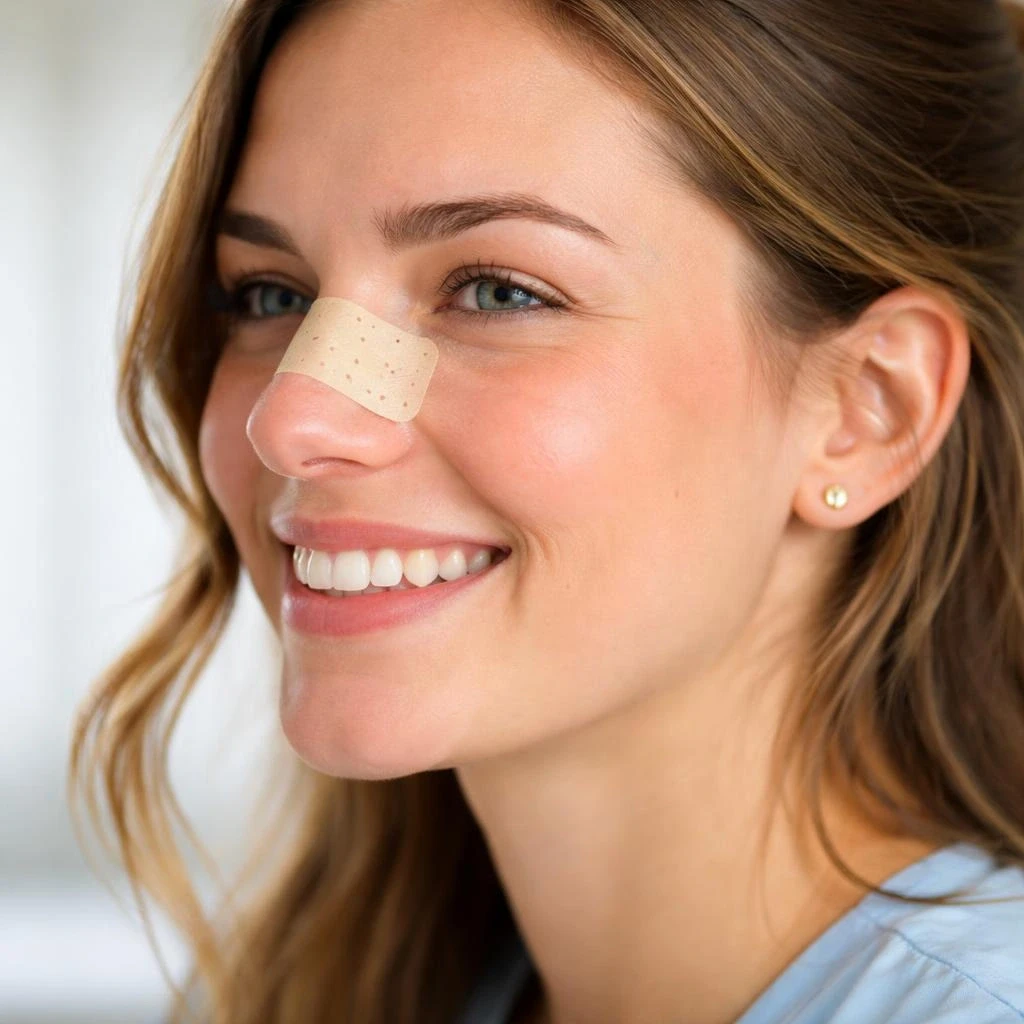
Rhinoplasty (Nose Reshaping) in Doha, Qatar
Rhinoplasty, commonly known as nose reshaping, is one of the most popular cosmetic surgical procedures aimed at improving both the aesthetic appearance and physiological function of the nose, performed by top medical experts. In Doha, Qatar, numerous experienced plastic surgeons offer this specialized procedure, making the selection of the best surgeon a critical milestone for prospective patients.
Understanding Rhinoplasty (Nose Reshaping)
Rhinoplasty is an intricate and precise procedure requiring exceptional surgical skill and a deep comprehension of facial harmony and aesthetics. Before committing to the surgery, patients need to understand every aspect of the process, ranging from its fundamental definition to available surgical approaches and the primary motivations behind it.
What is Rhinoplasty?
Rhinoplasty is a surgical procedure designed to reshape the structural framework of the nose to achieve better harmony with other facial features. This surgery can involve reducing or increasing the nose size, altering the nasal angle relative to the upper lip, refining the nasal tip, or correcting structural irregularities, fractures, and deviations. It is a highly specialized cosmetic surgery that demands exceptional artistry to ensure natural-looking and satisfying results for the patient.
Reasons for Undergoing Rhinoplasty
Many patients opt for nose reshaping for purely aesthetic reasons, such as addressing dissatisfaction with the size, shape, or overall symmetry of their nose. In addition, there is often a significant functional motivation, such as correcting breathing difficulties caused by a deviated septum or other structural abnormalities. Ultimately, individuals seek out this procedure to enhance their self-confidence and overall facial balance.
Different Techniques in Nose Reshaping Surgery
Nasal surgery encompasses various technical approaches, the most common being open and closed rhinoplasty. In an open rhinoplasty, the surgeon makes a small incision across the columella (the narrow strip of tissue separating the nostrils), providing optimal visibility of the internal nasal structures and allowing for highly precise adjustments. Conversely, in a closed rhinoplasty, all incisions are made internally within the nostrils, leaving no visible external scarring. The choice between these techniques depends entirely on the patient's anatomy and specific structural goals.
Choosing the Best Rhinoplasty Surgeons in Doha
Selecting the right surgeon for your rhinoplasty is a pivotal decision, particularly in a vibrant healthcare hub like Doha, Qatar, which boasts an array of exceptionally skilled plastic surgeons, notably at Gardenia Medical Center. Finding the most qualified specialist requires a careful evaluation of multiple standards to ensure you achieve your aesthetic and functional goals while remaining in safe, expert hands throughout this life-changing facial procedure.
Criteria for Selecting the Right Plastic Surgeon
When searching for the top specialist for Rhinoplasty (Nose Reshaping) in Doha, Qatar, patients should prioritize specific benchmarks, such as the surgeon's specialized training and whether the procedure is carried out at a fully accredited, reputable hospital. Key factors to evaluate include the doctor’s board certifications, years of dedicated experience in nasal surgeries, and a proven track record of successful outcomes. It is equally vital that the surgeon possesses a keen artistic eye to ensure the reshaped nose complements your individual facial features naturally.
Patient Testimonials and Reviews
Real-world experiences from former patients serve as a cornerstone in selecting your surgeon. Prospective patients can gain valuable insights by reading authentic testimonials and examining comprehensive before-and-after photo galleries at specialized medical clinics, which are frequently shared on official clinic websites and social media platforms. These reviews offer an unfiltered look at the surgeon's clinical skill, the standard of post-operative care provided, and overall patient satisfaction rates, helping you make a well-informed choice.
Board Certifications and Professional Credentials
Evaluating a surgeon extends beyond patient feedback to peer recognition and formal credentials. You must ensure that your chosen rhinoplasty surgeon in Doha holds accredited certifications from prestigious, internationally recognized medical boards, reflecting the high standard of the entire surgical team. These credentials demonstrate a commitment to rigorous safety protocols and clinical excellence, ensuring the surgeon is well-versed in the latest advanced techniques for Rhinoplasty (Nose Reshaping) in Doha, Qatar.
Rhinoplasty Results and Recovery
What to Expect After the Procedure?
Following your Rhinoplasty (Nose Reshaping) in Doha, Qatar, it is completely normal to experience an initial recovery phase marked by temporary swelling and bruising around the nose and eyes, which will gradually fade as you notice a marked improvement in your nasal shape within the first few weeks. However, patients should not expect to see their definitive results immediately. The healing process takes time, and the refined, permanent shape of the nose will continue to emerge over several months, up to a full year, making ongoing communication with your doctor essential.
To ensure a smooth, healthy physical and psychological recovery, our medical team at Gardenia Medical Center emphasizes the importance of understanding how your body responds to surgery, following three core clinical guidelines:
-
Realistic Expectations and Support Systems: Patients should maintain grounded expectations and surround themselves with positive, supportive networks during the healing journey, as emotional well-being directly impacts physical recovery.
-
Avoiding the Trap of Digital Filters: We strongly advise against comparing your post-operative nose to digital beauty filters. These filters alter not just the nose, but entire facial dimensions (such as cheek fullness, inter-ocular distance, chin length, and lip volume). Comparing real surgery tailored to your natural features against these artificial standards will only result in unearned disappointment.
-
Understanding Minor Re-touches vs. Revision Surgery: It is vital to recognize that secondary revision or reconstructive surgery is an acknowledged medical possibility even at premier global institutions, carrying a baseline global occurrence rate of 15% to 25%.
Important Medical Note: There is a vast difference between performing minor adjustment touch-ups and full reconstructive revision surgery. This highlights the absolute necessity of initially choosing a surgeon with elite clinical skills and advanced reconstructive capabilities. While some profiles require only minimal refinement, a surgeon's failure to gauge structural subtleties or any rushed, poorly planned intervention can turn a simple fix into a complex complication.
Care After Rhinoplasty
Proper post-operative care is crucial for optimal healing and achieving the finest structural outcomes from your procedure. This involves strictly adhering to your plastic surgeon’s instructions, such as avoiding strenuous physical activities, keeping your head elevated while resting, and applying cold compresses to manage localized swelling. Additionally, patients are advised to avoid wearing heavy eyeglasses for a specified period and protect the nose from any accidental impact. Attending all scheduled follow-up appointments is vital for monitoring your progress.
Recovery Timeline
The healing timeline varies by individual; however, most patients can comfortably return to light daily activities and desk work within one to two weeks post-surgery. While the bulk of visible swelling subsides within two to three months, residual minor swelling—particularly at the nasal tip—can take up to twelve months to fully resolve. Patience remains the ultimate key to achieving the best functional and aesthetic outcomes from any advanced cosmetic treatment.
Potential Risks and Complications (A Realistic Medical View)
While rhinoplasty is widely considered safe when performed by an experienced specialist, like any major surgical intervention, it carries certain inherent structural and functional risks that patients must understand and evaluate during their consultations.
Contrary to common concerns regarding superficial skin sensation loss, actual clinical risks focus heavily on the following structural and anatomical complexities:
-
Excessive Scarring and Internal Fibrosis: Fibrosis is a primary, perpetual concern for plastic surgeons, as unpredictable tissue healing can directly warp the final nasal contours.
-
Bleeding and Infection: Standard risks for any surgical procedure, though nasal bleeding is generally minor and easily managed.
-
Breathing Difficulties and Nasal Valve Injuries: Any trauma to the internal or external nasal valves during reshaping can restrict the airway and disrupt comfortable breathing.
-
Post-reduction Airway and Deviation issues: If a mild, unnoticed septal deviation or turbinate hypertrophy is left uncorrected before downsizing the nose, airway restriction will become highly apparent once the overall nasal volume is minimized.
-
Nasal Adhesions: Frequently observed across all tiers of nasal surgery, these occur when scar tissue bridges the septum and turbinates, presenting as unexpected breathing obstruction.
-
Wide Septal Perforations: A wide puncture or tear in the nasal septum structure can lead to structural collapse of the external nasal bridge over time.
-
Aggressive Alar Cartilage Resection: Over-resecting the lateral alar cartilage causes severe respiratory dysfunction and compromises the aesthetic balance between the tip and bridge.
-
Incomplete Aesthetic Satisfaction: Complications may require the patient to wait a full year for tissue stabilization before considering a revision rhinoplasty.
Discussing these precise details during your first consultation is the single most important step in avoiding complications and in outlining a surgical plan that safeguards both your aesthetic goals and your vital respiratory functions.
How to Reduce Risks
To significantly mitigate the risks associated with the procedure, it is imperative to choose a highly qualified, board-certified plastic surgeon with extensive experience practicing in Doha, Qatar. Selecting an expert with an elite clinical background and a rich portfolio of successful outcomes minimizes the likelihood of complications. Furthermore, strictly following pre- and post-operative medical guidelines—including smoking cessation and avoiding specific blood-thinning medications—plays a decisive role in ensuring a smooth recovery and an optimal outcome.
When to Seek a Second Opinion?
Occasionally, a patient might experience anxiety regarding their healing trajectory or encounter unexpected recovery milestones. While your primary surgeon should always be your first point of contact, seeking a formal second opinion from another qualified rhinoplasty specialist can offer peace of mind if concerns persist or communication breaks down. Experienced specialists can provide an objective assessment and outline effective corrective measures if required. For this reason, choosing to undergo your procedure at a fully integrated medical center with a multidisciplinary team of aesthetic experts is highly recommended to maximize safety and efficiency.
Successful Plastic Surgery Journeys in Doha
Patient Success Stories
The true success of the cosmetic surgery sector in Doha is best reflected through the transformative journeys of real patients who have undergone rhinoplasty. These individuals frequently share their deep satisfaction not only with the refined aesthetic outcomes achieved by their specialized surgeons but also with the compassionate, end-to-end care they received. Their testimonials highlight the world-class professionalism of surgical teams across Qatar's premier clinics, illustrating how a well-executed nose reshaping procedure can positively impact a person's life.
The Impact on Self-Confidence
The benefits of a rhinoplasty procedure extend far beyond physical changes, frequently sparking a profound boost in a patient's self-esteem and confidence. Achieving facial balance and feeling satisfied with one's profile positively influences daily social interactions and professional life. Leading doctors in Doha emphasize that this psychological uplift is one of the most rewarding outcomes of Rhinoplasty (Nose Reshaping) in Doha, Qatar, significantly enhancing the patient’s overall quality of life.
Visible Aesthetic Transformations
Striking, natural-looking aesthetic transformations are the primary objective for the majority of patients seeking nasal surgery. Expert surgeons focus on delivering a balanced nasal structure tailored to the unique facial proportions of each individual. Before-and-after photographs clearly demonstrate how reshaping the nasal bridge, refining the tip, or correcting asymmetry restores harmony to the entire face, showcasing the meticulous skill and artistry of specialized plastic surgery departments.
Frequently Asked Questions About Rhinoplasty
How Much Does Rhinoplasty Cost in Qatar?
The cost of nose reshaping surgery in Qatar is a common query during initial consultations. The overall investment varies based on several distinct factors, including the surgeon's expertise, the complexity of the structural corrections required, the surgical facility or hospital chosen, and the specific type of anesthesia administered. To receive an exact and personalized financial plan, it is best to schedule a one-on-one consultation with a top plastic surgeon in Doha, who will evaluate your anatomy and provide a detailed breakdown of the fees.
Are There Any Long-Term Side Effects?
When considering nose reshaping, patients often ask about potential long-term complications. While standard side effects like bruising and swelling are strictly temporary, rare long-term risks can include persistent internal fibrosis or excessive scarring, sensory adjustments, or airway challenges that might require corrective treatment. Discussing these variables thoroughly during your consultation ensures a well-rounded and realistic understanding of the long-term outlook.
When is the Best Time to Have the Surgery?
Choosing the ideal time for your rhinoplasty depends on your personal schedule and lifestyle obligations. Many residents in Qatar prefer scheduling their surgery during extended annual leaves or cooler winter breaks to allow ample time to rest and heal without disrupting their career or academic commitments. It is equally vital that you are in good general health and approach the procedure with realistic expectations. Your surgeon will help you choose the optimal timing based on your lifestyle and recovery needs.