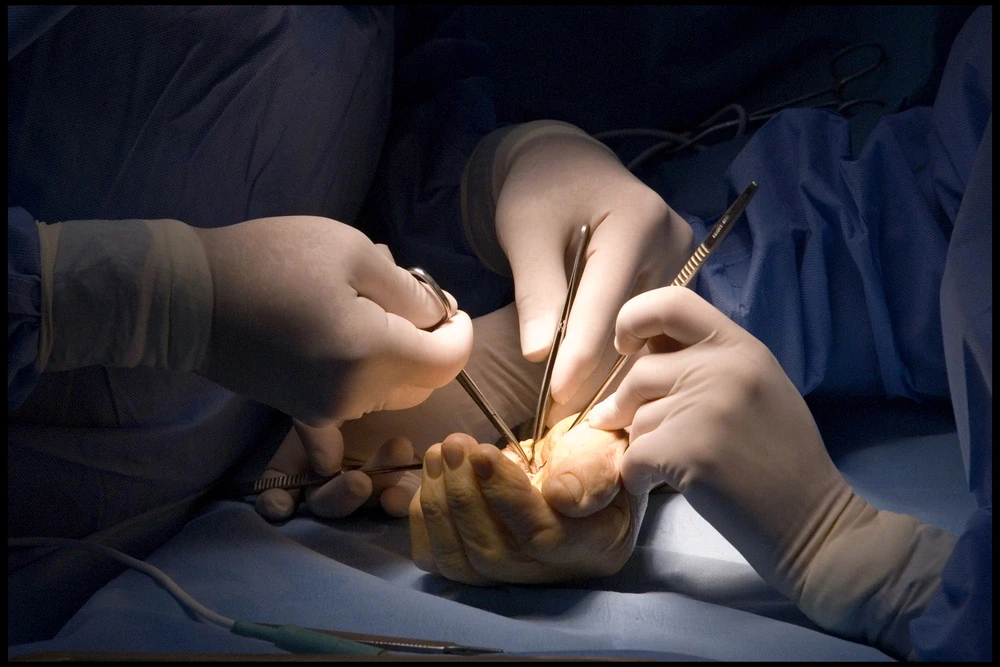
Hand Surgery in Qatar: Restoring Strength, Function, and Quality of Life
The human hand is one of the most anatomically intricate and complex structures in the human body. It relies on a delicate network of bones, joints, tendons, nerves, ligaments, muscles, and blood vessels working in perfect harmony. From intricate tasks like typing and holding objects to playing sports and engaging in physical labor, our hands define our independence. Consequently, any injury or chronic condition affecting the hand or wrist can severely impact your daily life, productivity, and overall well-being.
If you are suffering from an acute injury or a chronic condition in your hand, wrist, or fingers, consulting a dedicated hand and wrist specialist is an essential step toward recovery. Accurate diagnosis, early intervention, and specialized surgical expertise directly determine how fast and fully you can regain normal hand function.
At Gardenia Medical Center in Doha, we deliver specialized care in hand and upper extremity surgery, operating under the highest international medical standards. Leading our department is Prof. Dr. Mohamed Murshed Al-Delaimi, a renowned Hand Surgeon in Qatar. With extensive experience in complex trauma, nerve and tendon repair, microsurgery, congenital hand deformities, rheumatoid conditions, and limb reimplantation, Dr. Al-Delaimi and his team deliver expert care for the most intricate cases.
We prioritize a personalized treatment approach. Every journey begins with a thorough evaluation, detailed clinical examination, and state-of-the-art diagnostics to identify the root cause of your pain before recommending conservative or surgical solutions.
Why Choosing a Specialized Center for Hand Surgery in Qatar Matters
What might seem like a minor hand injury can quickly turn into long-term stiffness, permanent grip weakness, chronic pain, or irreversible nerve and tendon damage if left untreated. Choosing a center focused on Hand Surgery in Qatar ensures you receive comprehensive care that spans accurate diagnosis, precise surgical interventions, and structured rehabilitation.
Key criteria to look for in a specialized hand clinic include:
- Dedicated Specialists: Care led by a dedicated hand surgeon rather than a general orthopedic doctor.
- Advanced Microsurgery: Access to microsurgical technology for repairing delicate nerves and blood vessels.
- Modern Imaging: High-resolution diagnostic radiology tools.
- Specialized Anesthesia: Anesthesiologists experienced in upper limb procedures.
- Outpatient Capabilities: Day-surgery options for minor procedures.
- Comprehensive Physical Therapy: Tailored hand therapy and rehabilitation programs.
- Emergency Readiness: Rapid response for acute injuries and trauma.
- End-to-End Follow-up: Continuous post-operative monitoring until full functional recovery.
At Gardenia Medical Center in Doha, all these elements come together under one roof to ensure patient safety, comfort, and optimal functional and aesthetic outcomes.
When Should You Consult a Hand and Wrist Specialist?
Hand surgery extends far beyond treating broken bones. It covers a vast array of conditions affecting the hand, wrist, elbow, and peripheral nerves. You should seek evaluation from a specialist if you experience any of the following symptoms:
- Persistent pain in the hand, wrist, or elbow
- Numbness, tingling, or "pins and needles" in your fingers
- Reduced grip strength or difficulty holding objects
- Joint stiffness or inability to move a finger normally
- Persistent swelling, lumps, or ganglion cysts
- Visible deformities in the hand or fingers
- Fractures resulting from falls, sports, or workplace accidents
- Congenital hand conditions in children
- Chronic elbow pain
Early medical evaluation often resolves issues with conservative care, avoiding the need for complex surgical procedures later on.
What Makes the Hand So Complex?
To understand the importance of specialized hand care, it helps to look at the anatomy of the human hand. A single hand contains:
- 27 individual bones
- Over 30 joints
- Dozens of ligaments and tendons
- Three major nerves responsible for sensation and movement
- A complex network of blood vessels
- Intricate intrinsic muscles for fine motor control
Because these structures are tightly interconnected, an injury to one component can disrupt the function of the entire hand. Treating hand conditions requires a deep understanding of functional anatomy—it goes far beyond simply closing a wound or setting a bone.
Our center relies on surgeons trained in advanced microsurgery to preserve maximum mobility and sensation. Depending on your needs, treatment may involve conservative therapy, targeted injections, physical rehabilitation, or advanced surgery.
Why Patients Trust Gardenia Medical Center
Patients choose Gardenia Medical Center because we combine medical excellence with modern technology and compassionate care.
From your first appointment, our team takes the time to listen, understand your medical history, and evaluate how your symptoms affect your daily routine. With over 23 specialized departments, our center fosters multidisciplinary collaboration. Whether your case requires input from radiology, rheumatology, physical therapy, plastic surgery, or dedicated anesthesiology, our experts work together to streamline your care.
Specialized Procedures Offered at Gardenia Medical Center
Our clinic offers a comprehensive range of diagnostic, non-surgical, and surgical services for the hand, wrist, and upper extremities:
Carpal Tunnel Release
Carpal tunnel syndrome occurs when the median nerve becomes compressed inside the wrist, causing numbness, pain, and weakness in the thumb, index, and middle fingers. When splinting and anti-inflammatory treatments are insufficient, a minor surgical release relieves nerve pressure and restores normal feeling.
Tendon and Nerve Repair
Prompt surgical intervention is crucial for severed tendons or torn nerves following deep cuts or accidents. Using advanced microsurgery, our surgeons reattach these delicate structures, followed by customized physical therapy to rebuild strength and movement.
Trigger Finger Release
Trigger finger is caused by inflammation in the tendon sheath, preventing the finger from straightening smoothly. When conservative treatments like rest or local injections do not resolve the clicking or locking, a simple outpatient procedure frees the tendon.
De Quervain’s Tenosynovitis Treatment
This condition causes pain on the thumb side of the wrist, often triggered by repetitive wrist motions. We offer conservative management—including splinting and injections—as well as surgical release for persistent cases.
Ganglion Cyst Removal
Ganglion cysts are non-cancerous, fluid-filled lumps that form along the joints or tendons of the wrist or hand. If a cyst causes pain or restricts movement, surgical excision provides a definitive solution with a low risk of recurrence.
Dupuytren’s Contracture Management
Dupuytren’s disease causes the tissue under the palm’s skin to thicken, pulling one or more fingers inward. Treatments range from targeted injections to surgical tissue release to restore finger extension.
Hand Joint Arthritis Surgery
When medication no longer controls severe joint pain and stiffness from arthritis, surgical options such as joint cleanses (debridement), fusion, or joint replacement can significantly relieve pain and improve hand function.
Hand and Wrist Fracture Repair
From simple falls to high-impact injuries, hand and wrist fractures require precise alignment to heal correctly. While minor fractures can be managed with casting, unstable fractures are stabilized using modern plates, screws, or pins.
Hand Reimplantation
Reattaching severed fingers or hands requires advanced microsurgical techniques to re-connect tiny blood vessels, nerves, tendons, and bones. Rapid emergency care and proper transport of the severed tissue are vital to success.
Pediatric Congenital Hand Correction
Conditions like webbed fingers (syndactyly) or extra digits (polydactyly) are best treated in childhood. Specialized pediatric hand surgery improves both the function and appearance of the hand as the child grows.
Rheumatoid Hand Surgery
Advanced rheumatoid arthritis can cause severe joint deformities and tendon damage. Surgical interventions help realign joints, repair tendons, or replace worn joints to reduce pain and rebuild daily functionality.
Tennis and Golfer’s Elbow Treatment
Repetitive strain can inflame the tendons on the outside (Tennis Elbow) or inside (Golfer’s Elbow) of the elbow. While most cases respond well to physical therapy and rest, persistent pain can be corrected through targeted surgical techniques.
Cubital Tunnel Release (Ulnar Nerve Transposition)
Compression of the ulnar nerve at the elbow causes numbness in the ring and little fingers alongside hand weakness. Releasing or repositioning the nerve stops nerve damage and restores muscle function.
Finger Joint Replacement
Severe osteoarthritis or rheumatoid damage in finger joints can be treated with artificial joint implants, reducing pain while preserving essential joint motion.
Skier’s Thumb Repair
A torn ulnar collateral ligament at the base of the thumb compromises grip stability. Depending on the severity of the tear, surgical repair stabilizes the joint and restores pinch strength.
Hand Burn Reconstruction and Scar Management
Reconstructive procedures—including skin grafts, scar releases, and tissue reconstruction—help restore mobility and prevent joint tightness following burn injuries.
Hand Infection Management
Infections in the hand can spread rapidly through deep tissue spaces. We provide prompt medical treatment, antibiotic therapy, and surgical drainage when necessary to prevent long-term damage.
Meet Prof. Dr. Mohamed Murshed Al-Delaimi
The success of complex hand procedures depends heavily on the skill and experience of your surgeon. As a leading Hand Surgeon in Qatar, Prof. Dr. Mohamed Murshed Al-Delaimi brings years of specialized expertise in upper extremity care and microsurgery to Gardenia Medical Center.

Prof. Dr. Mohamed Murshed Al-Delaimi
Senior Consultant in Plastic, Hand, and Reconstructive Surgery, and Head of the Medical Team at Gardenia Medical Center. Dr. Al-Delaimi believes in a patient-centered approach. During your initial consultation, he performs a thorough clinical evaluation, listens carefully to your concerns, and explains all available treatment options—both non-surgical and surgical. His goal is always to achieve the best functional and aesthetic outcome with minimal downtime.
What to Expect Before and After Surgery
Preparation Tips:
- Fully disclose your medical history, including conditions like diabetes or high blood pressure.
- Inform your doctor of all current medications, especially blood thinners.
- Stop smoking before surgery to promote healthy tissue healing and circulation.
- Follow all fasting instructions provided for your specific anesthesia type.
- Arrange for transportation home if undergoing an outpatient procedure.
Recovery Phase:
- Mild to moderate post-procedure discomfort is normal and managed with prescribed medication.
- Elevating the hand helps minimize initial swelling.
- Splints or braces may be applied to protect the surgical site.
- Guided rehabilitation and physical therapy begin as advised by your medical team to prevent joint stiffness and rebuild grip strength.
Frequently Asked Questions
Does every hand injury require surgery?
No. Many conditions are successfully treated using conservative methods such as medication, custom splints, localized injections, or physical therapy. Surgery is only recommended when conservative options are insufficient.
When should tendon or nerve injuries be treated?
Complete nerve or tendon tears require prompt surgical intervention to ensure the best chance of full functional recovery.
Is carpal tunnel surgery painful?
The procedure is typically performed under local or regional anesthesia, keeping pain minimal. Post-operative discomfort is manageable with standard pain medication.
How soon can I return to work after hand surgery?
Recovery timelines vary based on the procedure and your line of work. Desk workers can often return within a few days, while manual labor may require a longer rest period to allow full tissue healing.
Take the First Step Toward Recovery
Don't let hand pain or reduced mobility limit your daily life. Whether you need treatment for a sports injury, a chronic nerve condition, or complex reconstructive care, early intervention is the key to a full recovery.
Contact Gardenia Medical Center in Doha today to schedule a consultation with a leading hand and wrist specialist and take the first step toward restoring your hand function.