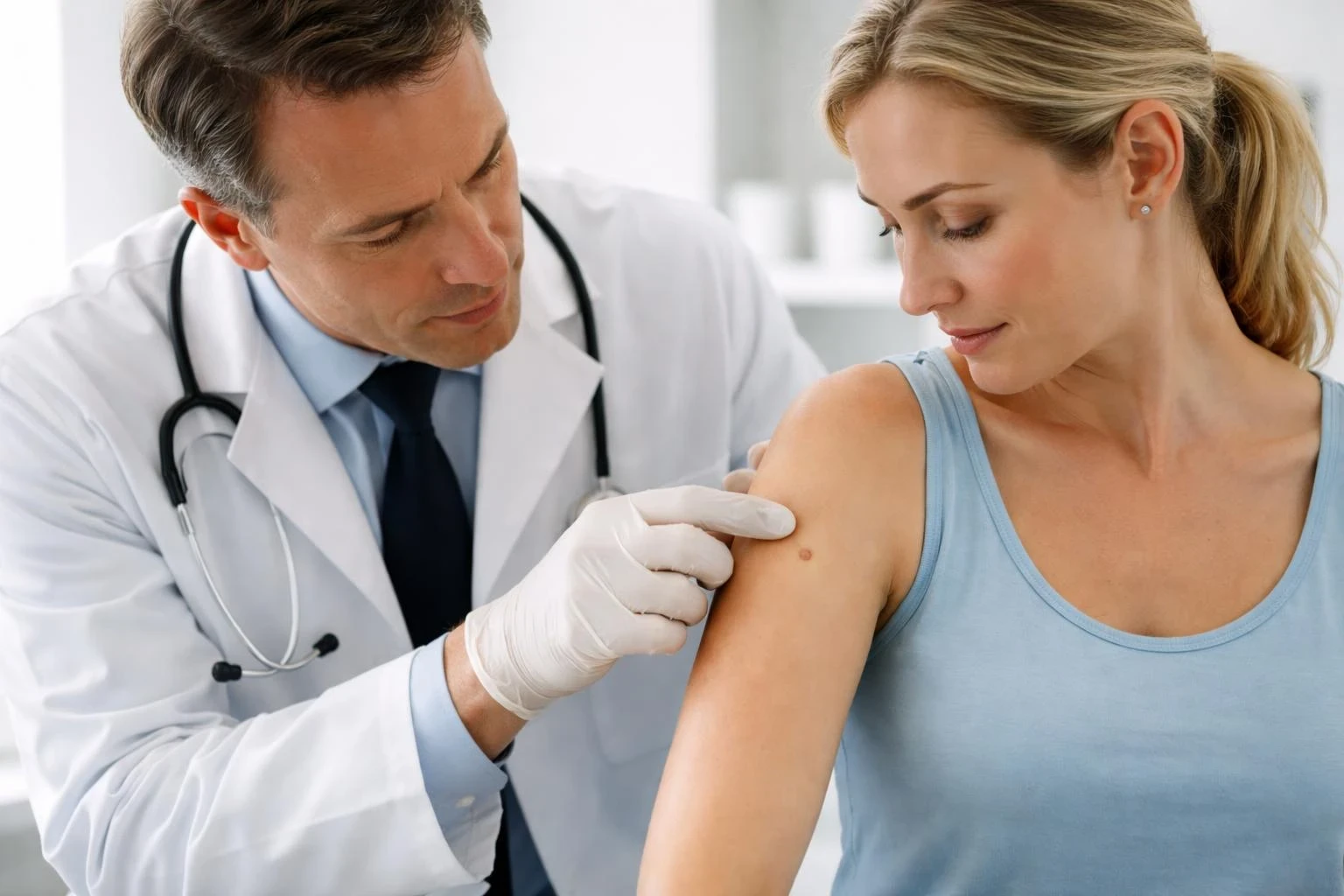
Lipoma Treatment in Qatar
Lipoma treatment in Qatar is one of the most common topics people search for after discovering a soft lump beneath the skin. Although finding any new lump can be worrying, most lipomas are benign (non-cancerous) growths made up of fatty tissue that develop slowly under the skin. Even so, every lump should be evaluated by a qualified surgeon to confirm the diagnosis and rule out other conditions that may require different treatment.
The most appropriate treatment depends on several factors, including the size of the lipoma, its location, whether it causes pain or discomfort, and how much it affects daily activities or appearance. Some lipomas only require regular observation, while others may need surgical removal if they continue to grow, compress nearby nerves, or become painful.
Early medical assessment is important because it allows the surgeon to accurately identify the nature of the lump and determine whether treatment is necessary. This helps patients avoid unnecessary procedures while ensuring that any concerning findings receive prompt attention.
If you are looking for expert Lipoma treatment in Qatar, Gardenia Medical Centre provides comprehensive evaluation and personalized treatment plans delivered by experienced general surgeons. Whether your condition requires monitoring or surgery, our team is committed to helping you receive the right care with the latest minimally invasive surgical techniques. Book your consultation today for peace of mind and professional medical care.
What Is a Lipoma?
A lipoma is one of the most common types of benign soft tissue tumors. It develops when fat cells grow slowly beneath the skin, creating a soft, movable lump that can usually be felt with gentle pressure. Lipomas most commonly appear on the neck, shoulders, back, arms, or thighs, although they may develop almost anywhere in the body.
While many people become concerned after discovering a lump, most lipomas are harmless and rarely cause serious health problems. However, professional evaluation remains essential because several other conditions may resemble a lipoma during the early stages.
Understanding what lipoma treatment is begins with recognizing that not every lipoma requires surgery. Small lipomas that remain painless and stable may only require regular observation. Treatment is generally recommended when the lump becomes painful, grows rapidly, affects movement, or creates cosmetic concerns.
A thorough clinical examination helps distinguish a lipoma from other soft tissue masses and ensures the most appropriate treatment plan is selected.
At Gardenia Medical Centre, every case of Lipoma treatment in Qatar begins with a detailed assessment to determine whether careful observation or Lipoma Removal Surgery is the best option for the patient.
How Is a Lipoma Diagnosed?
Diagnosing a lipoma involves much more than simply examining the lump. A surgeon evaluates several clinical features before confirming the diagnosis and deciding whether treatment is necessary.
Physical Examination
A clinical examination is usually the first step. The surgeon evaluates the size, texture, mobility, and location of the lump while checking for tenderness or changes in the surrounding skin. In many patients, these findings are sufficient to diagnose a typical lipoma.
Imaging Studies
Additional imaging may be recommended if the lump is unusually large, located deep beneath the muscles, or has atypical characteristics. Ultrasound and MRI scans help determine the exact size of the mass and its relationship to surrounding tissues, nerves, and muscles.
Biopsy When Necessary
Although uncommon, a biopsy may be advised if the lump grows rapidly or has unusual features that require further investigation. Laboratory examination helps confirm the diagnosis and exclude other soft tissue tumors.
When Is Treatment Recommended?
Not every lipoma requires removal. Treatment is generally considered when the lump:
- Causes persistent pain
- Continues to enlarge
- Compresses nearby nerves or muscles
- Restricts movement
- Creates cosmetic concerns
- Shows unusual clinical features
At Gardenia Medical Centre, Lipoma treatment in Qatar starts with an accurate diagnosis supported by clinical examination and imaging whenever required, allowing surgeons to recommend the safest and most appropriate treatment for every patient.
What Happens During Lipoma Treatment?
The choice of treatment depends on several factors, including the size of the lipoma, its location, the symptoms it causes, and whether it affects the patient's daily activities. For this reason, Lipoma treatment in Qatar is always based on an individualized medical evaluation rather than a one-size-fits-all approach.
Clinical Observation
Small lipomas that are painless, slow-growing, and do not interfere with movement often require no immediate treatment. In these cases, the surgeon may recommend regular follow-up visits to monitor the lump and ensure that no significant changes occur over time.
Surgical Removal
When a lipoma becomes painful, continues to enlarge, compresses nearby structures, or causes cosmetic concerns, surgical removal is generally considered the most effective treatment. During Lipoma treatment in Qatar, the surgeon removes the fatty mass together with its surrounding capsule whenever possible, helping minimize the likelihood of recurrence.
Minimally Invasive Techniques
Depending on the size and location of the lipoma, the surgeon may use minimally invasive surgical techniques designed to reduce tissue trauma, limit scarring, and shorten recovery time. The most appropriate approach is selected after a thorough clinical assessment.
Before any surgical procedure, patients receive detailed instructions about preparation, anesthesia, and postoperative care. You can also learn more about Pre and Post Operative Anesthesia Care to understand how careful planning contributes to a safer surgical experience and a smoother recovery.
If your evaluation shows that surgery is the most appropriate option, Gardenia Medical Centre provides comprehensive Lipoma treatment in Qatar performed by experienced general surgeons using modern surgical techniques and personalized treatment plans tailored to each patient's condition.
Lipoma Treatment on the Back
The back is one of the most common areas where lipomas develop because of the thick layer of fatty tissue beneath the skin. As a result, many patients seek Lipoma treatment in Qatar after discovering a soft lump that gradually becomes more noticeable over time.
In many cases, a lipoma on the back causes no symptoms initially. However, as it grows, it may create discomfort while sitting, sleeping, exercising, or carrying heavy objects. Some patients also experience pain if the mass presses against nearby muscles or nerves.
For this reason, the surgeon begins with a thorough physical examination and may request imaging studies when necessary to determine the exact size, depth, and relationship of the lipoma to surrounding tissues before recommending treatment.
When surgical removal is indicated, the goal is to completely excise the lipoma while preserving the healthy surrounding structures. Most patients are able to return home on the same day after the procedure, depending on their overall condition and the complexity of the surgery.
Following surgery, proper wound care plays an important role in supporting healing and reducing the risk of complications. You can learn more about Advanced Wound Care and Debridement in Doha to understand the recommended postoperative care instructions after minor surgical procedures.
Can a Lipoma Turn Into Cancer?
One of the most common concerns patients have after discovering a lump beneath the skin is whether it could be cancerous. Fortunately, a lipoma is a benign fatty tumor and does not typically become cancer. However, every newly discovered lump should be evaluated by a qualified surgeon to ensure an accurate diagnosis and to rule out other conditions that may appear similar.
Lipoma vs. Liposarcoma
Although they may seem alike initially, a lipoma and a liposarcoma are completely different conditions.
A lipoma is a slow-growing, soft, movable lump made of fatty tissue and is considered non-cancerous. In contrast, a liposarcoma is a rare type of cancer that develops in soft tissues. It often grows more rapidly, may feel firm or fixed beneath the skin, and can sometimes cause persistent pain or affect nearby muscles and nerves.
Because the two conditions can occasionally share similar features, professional evaluation is always recommended instead of relying on self-diagnosis.
When Should You See a Doctor?
You should seek medical assessment if you notice any of the following:
- Rapid enlargement of the lump
- Persistent or increasing pain
- A firm or fixed mass that does not move easily
- A lump located deep beneath the muscles
- Changes in the skin covering the lump
- Numbness, weakness, or pressure on nearby nerves
These signs do not necessarily indicate cancer, but they require prompt medical evaluation to determine the exact cause.
When Are Additional Tests Needed?
Most lipomas can be diagnosed through a physical examination. However, your surgeon may recommend an ultrasound, MRI, or occasionally a biopsy if the lump has unusual characteristics, is located deep within the tissues, or shows rapid growth.
These investigations help confirm the diagnosis and guide the most appropriate Lipoma treatment in Qatar, ensuring that every patient receives care based on an accurate medical assessment.
How Is Lipoma Removal Surgery Performed?
For patients whose lipoma causes pain, continues to grow, or interferes with daily life, surgery is often the most effective treatment. Lipoma treatment in Qatar is carefully planned to remove the fatty lump completely while preserving the surrounding healthy tissues.
Preparing for Surgery
Before the procedure, the surgeon reviews your medical history, performs a detailed examination, and may request imaging studies when needed. This evaluation helps determine the safest surgical approach based on the lipoma's size, location, and relationship to nearby structures.
Anesthesia
The type of anesthesia depends on the complexity of the procedure. Many small lipomas can be removed under local anesthesia, while larger or deeper lipomas may require a different anesthetic approach based on the surgeon's recommendation.
If you would like to learn more about preparing for surgery and recovery afterward, you can explore Anesthesia and Pre- & Postoperative Care for additional guidance.
During the Procedure
A small incision is made directly over the lipoma, allowing the surgeon to remove the fatty mass together with its capsule whenever possible. Complete excision helps reduce the likelihood of recurrence and provides tissue for laboratory examination if required.
Most Lipoma removal surgery procedures take approximately 30 to 60 minutes, although the duration varies depending on the size and location of the lipoma.
Closing the Incision and Going Home
Once the lipoma has been removed, the incision is closed with sutures and covered with a protective dressing. In most cases, patients can return home on the same day after receiving postoperative instructions and confirming that recovery from anesthesia is progressing normally.
Ready to Discuss Your Treatment Options? If your evaluation indicates that surgery is the most appropriate solution, Gardenia Medical Centre offers advanced Lipoma treatment in Qatar performed by experienced general surgeons using modern surgical techniques. Every treatment plan is tailored to the patient's condition, ensuring safe care, effective results, and comprehensive support before and after surgery.
What to Expect After Lipoma Removal
Recovery after Lipoma treatment in Qatar is usually straightforward, particularly when the lipoma is small and has been completely removed. Following your surgeon's postoperative instructions is essential for proper healing, minimizing complications, and achieving the best possible outcome.
Pain After Surgery
Most patients experience only mild discomfort or soreness around the incision site during the first few days after surgery. This is a normal part of the healing process and can usually be managed with prescribed pain medication.
Caring for the Surgical Wound
Keeping the incision clean and dry is one of the most important aspects of recovery. Patients should follow their surgeon's instructions regarding dressing changes, wound hygiene, and activity restrictions until the incision has healed completely.
Returning to Daily Activities
Most patients can resume light daily activities within a short period after surgery. However, strenuous exercise, heavy lifting, and activities that place pressure on the surgical site should be avoided until the surgeon confirms that healing is progressing normally.
When Should You Contact Your Surgeon?
Although complications after Lipoma treatment in Qatar are uncommon, you should seek medical attention if you notice:
- Increasing redness around the incision
- Swelling that continues to worsen
- Pus or unusual drainage from the wound
- Persistent or severe pain
- Fever or chills
- Bleeding that does not stop with gentle pressure
These symptoms may indicate an infection or another postoperative complication that requires prompt evaluation.
At Gardenia Medical Centre, our general surgery team closely follows patients after Lipoma treatment in Qatar, providing detailed recovery instructions, monitoring wound healing, and answering any questions throughout the recovery period to ensure a safe and comfortable healing experience.
When Does a Lipoma Require Emergency Surgery?
Most lipomas are harmless and grow slowly over many years. However, certain symptoms may indicate the need for urgent medical assessment rather than routine follow-up. Early evaluation allows surgeons to determine whether emergency treatment is necessary and to prevent potential complications during Lipoma treatment in Qatar.
Sudden Severe Pain
A lipoma that suddenly becomes painful may be pressing on nearby nerves or surrounding tissues. While this does not necessarily indicate a serious condition, it should be evaluated as soon as possible.
Redness, Swelling, or Signs of Infection
Rapid swelling, redness, warmth around the lump, or increasing tenderness may suggest inflammation or infection. These symptoms require prompt medical attention to determine the underlying cause and begin appropriate treatment.
Bleeding or Fluid Discharge
Although uncommon, bleeding or discharge from a lump should never be ignored. A surgeon should evaluate the area to identify the cause and exclude other conditions that may resemble a lipoma.
Pressure on Nerves or Nearby Structures
A growing lipoma may compress nerves, muscles, or other surrounding tissues, leading to numbness, tingling, weakness, or restricted movement. In these situations, surgical removal may be recommended to relieve pressure and restore normal function.
Some patients may require urgent surgical evaluation when symptoms progress rapidly or interfere with normal body function. You can learn more about Emergency General Surgery and the conditions that require immediate surgical care.
Early Evaluation Makes Treatment Easier: The sooner a lipoma is examined, the easier it is to determine the appropriate treatment. At Gardenia Medical Centre, our experienced general surgeons provide accurate diagnosis and personalized Lipoma treatment in Qatar, using modern surgical techniques to ensure safe treatment and optimal patient outcomes.
Does a Lipoma Come Back After Removal?
One of the most common questions patients ask after surgery is whether the lipoma can return. In most cases, recurrence is uncommon when the entire lipoma, including its surrounding capsule, is completely removed during surgery. This is why surgeons performing Lipoma treatment in Qatar aim for complete excision whenever it is safely possible.
Can It Return?
Although recurrence is uncommon, it can occasionally happen if part of the lipoma remains after surgery or if the patient has a tendency to develop multiple lipomas. However, most patients never experience another lipoma in the same location following complete removal.
Why Complete Removal Matters
Removing the lipoma together with its capsule significantly reduces the chance of recurrence. The removed tissue may also be sent for pathological examination when appropriate to confirm the diagnosis, providing additional reassurance for both the patient and the surgeon.
Follow-Up Care
Routine follow-up visits allow your surgeon to monitor healing and evaluate any new changes. If another lump develops in the future, early assessment helps determine whether it is another lipoma or a different condition requiring treatment.
At Gardenia Medical Centre, patients receiving Lipoma treatment in Qatar benefit from continuous postoperative follow-up to ensure proper healing and long-term peace of mind.
Lipoma Removal Cost in Qatar
Many patients ask about the Lipoma removal cost in Qatar, but the exact cost varies from one patient to another because every case is different.
The overall cost depends on several factors, including:
| Factor | Why It Affects Cost |
|---|---|
| Lipoma Size & Location | Larger or deeper lipomas take longer and require specialized surgical approaches. |
| Imaging Needs | Ultrasound or MRI scans may be needed to map deep tissue lipomas before surgery. |
| Anesthesia Type | Local anesthesia is straightforward, while complex removals may require sedation or general anesthesia. |
| Surgical Complexity | Proximity to nerves, blood vessels, or muscle layers influences the technique and time needed. |
| Lab Examination | Pathology testing of removed tissue ensures safety and diagnostic accuracy. |
Rather than focusing only on cost, patients should consider the surgeon's expertise, the accuracy of diagnosis, and the quality of postoperative care, as these factors play an important role in achieving the best long-term outcome.
At Gardenia Medical Centre, every patient receives a personalized treatment plan following a thorough surgical consultation, ensuring transparent recommendations based on individual medical needs.
Meet Our General Surgery Specialists at Gardenia Medical Centre
Our General Surgery Department brings together experienced consultants and specialists dedicated to diagnosing and treating a wide range of surgical conditions, including lipomas. Using modern minimally invasive surgical techniques, the team provides personalized treatment plans that prioritize patient safety, comfort, and long-term outcomes.
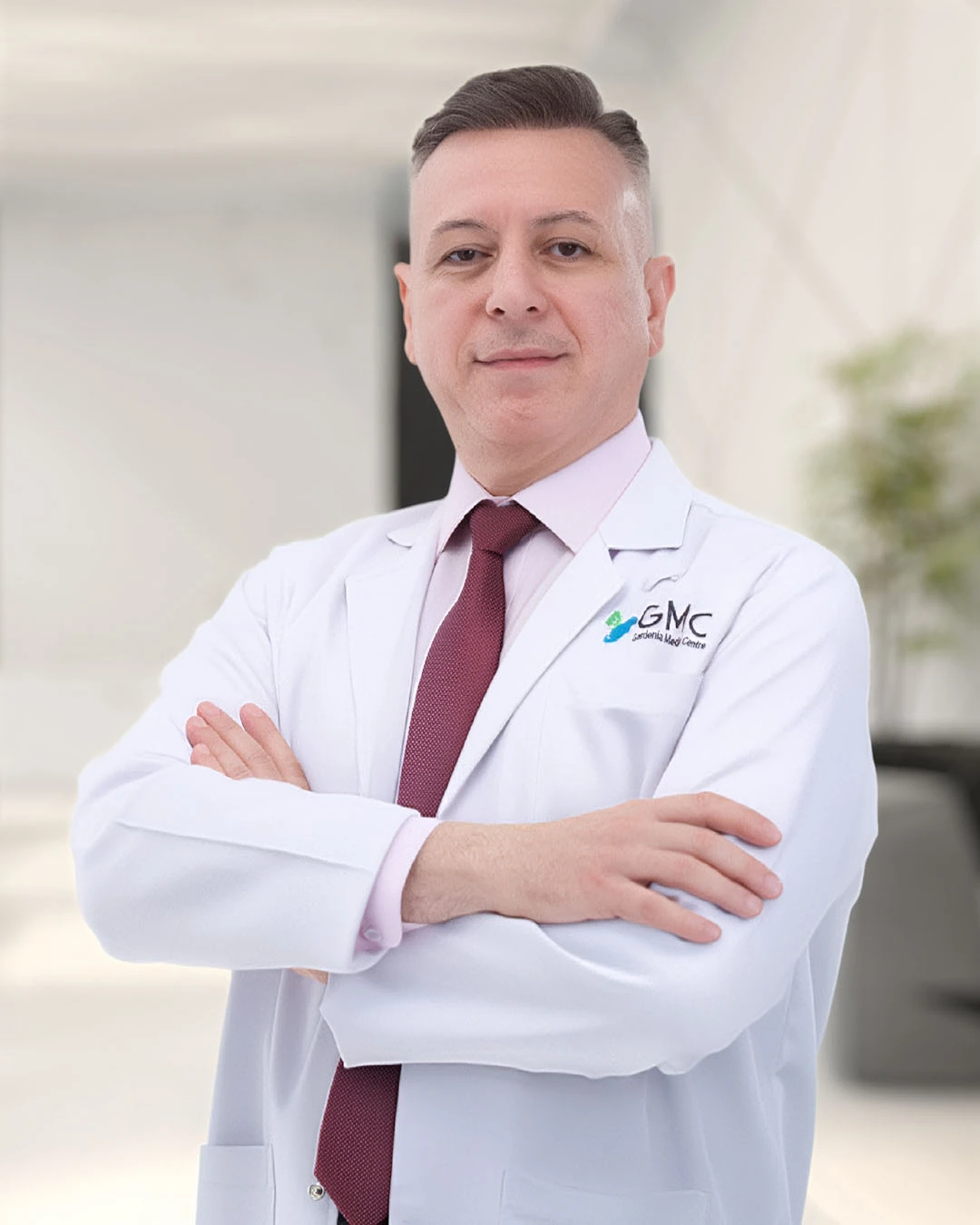
Dr. Mohammed Al Rashidi
Senior Consultant in General Surgery and Bariatric Surgery, Dr. Mohammed Al Rashidi is a highly experienced surgeon with extensive expertise in treating a wide range of general surgical conditions, including benign soft tissue tumors such as lipomas. He is particularly recognized for his advanced laparoscopic and minimally invasive surgical skills, allowing patients to benefit from precise surgical treatment, reduced postoperative discomfort, and faster recovery whenever appropriate.
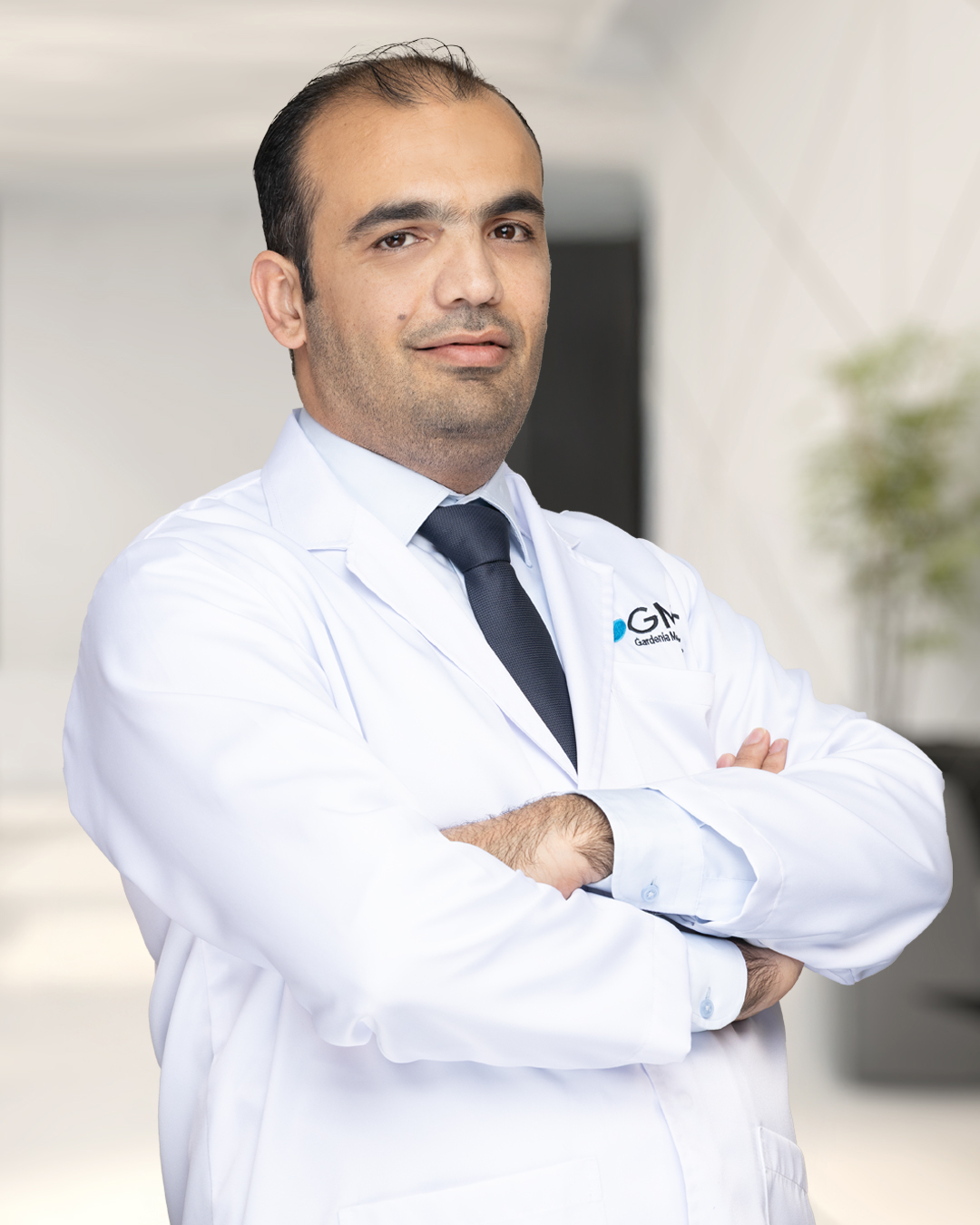
Dr. Wael Al Saadou
Senior Consultant in General Surgery and Bariatric Surgery, Dr. Wael Al Saadou has extensive experience in the diagnosis and surgical treatment of benign soft tissue tumors, including lipomas. With advanced expertise in laparoscopic and minimally invasive surgery, he focuses on delivering precise treatment, minimizing postoperative pain, and helping patients achieve a faster and smoother recovery while maintaining the highest standards of surgical care.
Book Your Consultation: If you have noticed a lump beneath your skin or are considering Lipoma treatment in Qatar, schedule a consultation with one of our experienced general surgeons for an accurate diagnosis and a personalized treatment plan.
Why Choose Gardenia Medical Centre for Lipoma Treatment in Qatar?
Successful Lipoma treatment in Qatar begins with an accurate diagnosis and an individualized treatment plan. At Gardenia Medical Centre, patients receive comprehensive surgical care delivered by experienced specialists using modern diagnostic equipment and advanced surgical techniques.
Our team is committed to providing:
- Accurate clinical assessment
- Experienced general surgeons
- Modern minimally invasive surgical techniques whenever appropriate
- Personalized treatment plans
- Comprehensive preoperative and postoperative care
- Continuous follow-up to support optimal recovery
From your initial consultation through your final follow-up appointment, every stage of your care is designed to provide safety, confidence, and the highest standards of medical excellence.
Book Your Appointment for Lipoma Treatment in Qatar
Although many lipomas are harmless, any new lump should be evaluated by a qualified surgeon to confirm the diagnosis and determine whether treatment is necessary. Early assessment often makes treatment simpler and helps prevent unnecessary anxiety or future complications.
At Gardenia Medical Centre, our General Surgery Department provides comprehensive Lipoma treatment in Qatar, beginning with an accurate diagnosis and continuing through personalized treatment, minimally invasive surgical options, and dedicated postoperative follow-up.
Whether your lipoma requires observation or surgical removal, our experienced surgeons will guide you through every step of the process, explaining your options clearly and developing a treatment plan tailored to your individual needs.
Book your consultation today and let our experienced surgical team help you receive expert care with confidence.
Frequently Asked Questions (FAQ)
Does every lipoma need surgery?
No. Small, painless lipomas that remain stable often require only observation unless they begin causing symptoms or continue growing.
How long does lipoma removal surgery take?
Most procedures take between 30 and 60 minutes, depending on the size and location of the lipoma.
Can a lipoma come back after surgery?
Recurrence is uncommon when the lipoma and its capsule are completely removed, although new lipomas may develop in some individuals.
Is lipoma removal painful?
The procedure is performed under appropriate anesthesia, and postoperative discomfort is usually mild and manageable with prescribed medication.
Can a lipoma become cancerous?
A lipoma is a benign tumor and does not usually become cancer. However, any new lump should always be evaluated by a healthcare professional.
When should I see a doctor about a lump under the skin?
You should seek medical evaluation if the lump grows rapidly, becomes painful, feels fixed, changes in appearance, or is associated with numbness or weakness.