Gastric Sleeve vs. Gastric Bypass Surgery
Bariatric surgery in Qatar is a highly effective treatment option for individuals struggling with severe obesity, offering long-term solutions for significant weight loss and overall health improvement. In this comprehensive guide, we will explore the key differences between the two primary procedures—gastric sleeve vs. gastric bypass surgery in Doha, Qatar—to help you make an informed decision about which option best suits your health goals.
Who is a Candidate for Bariatric Surgery in Qatar?
Determining eligibility for weight loss surgery is a crucial first step to ensure patient safety and long-term success. This requires a thorough evaluation by a specialized multidisciplinary medical team, including bariatric surgeons, clinical dietitians, and sometimes psychologists. This process ensures the patient is physically and mentally prepared for this life-changing procedure. Strict criteria are followed to achieve the best possible outcomes for individuals considering a gastric sleeve or bypass in Qatar.
Body Mass Index (BMI) Thresholds
Body Mass Index (BMI) is the primary metric used to determine eligibility for bariatric surgery. Generally, individuals with a BMI of 40 or higher are potential candidates. Those with a BMI between 35 and 39.9 may also qualify if they suffer from serious obesity-related comorbidities, such as type 2 diabetes, hypertension, or obstructive sleep apnea. General surgeons in Qatar perform comprehensive assessments to determine if a patient qualifies for the procedure.
Comorbidity Considerations (Diabetes, Sleep Apnea, Hypertension)
In addition to BMI, underlying medical conditions play a pivotal role in deciding between gastric sleeve vs. gastric bypass surgery in Doha, Qatar. Conditions like type 2 diabetes, severe hypertension, obstructive sleep apnea, cardiovascular diseases, or chronic joint pain can make a patient an ideal candidate for surgery, even if their BMI is slightly below the standard threshold. Bariatric surgery aims to significantly improve or achieve full remission of these health conditions, dramatically enhancing the patient's quality of life post-surgery.
How Does the Gastric Sleeve (Sleeve Gastrectomy) Work?
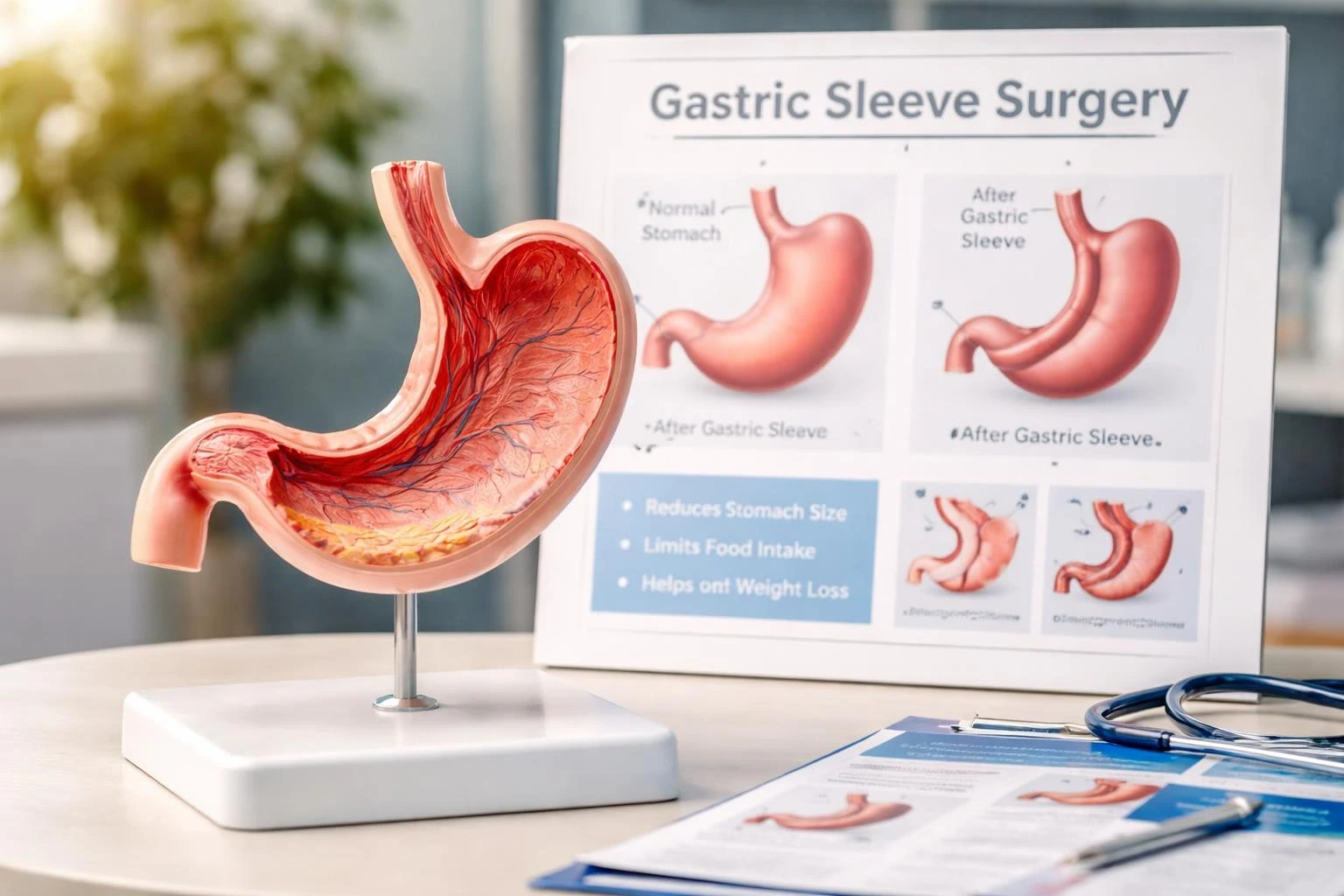
The gastric sleeve is one of the most popular bariatric procedures performed in Qatar, recognized for its effectiveness in delivering substantial and sustainable weight loss. This surgery involves removing a large portion of the stomach, which effectively reduces its capacity and alters the hormonal signals responsible for hunger and fullness. Gardenia Medical Centre in Doha offers this advanced procedure using state-of-the-art techniques to ensure optimal safety and results.
Stages of the Procedure
A gastric sleeve is typically performed laparoscopically, using a few small abdominal incisions. During the operation, the surgeon removes approximately 75% to 80% of the stomach, reshaping the remaining portion into a narrow tube or "sleeve." This radical change in stomach size drastically limits food intake and suppresses the production of hunger hormones like ghrelin, helping reduce appetite naturally. Top bariatric surgeons in Qatar execute this procedure with precision to maximize patient comfort and recovery.
Expected Weight Loss Percentages
Patients undergoing gastric sleeve surgery in Qatar can expect significant weight reduction. On average, patients lose about 60% to 70% of their excess body weight within 12 to 18 months following the surgery. Achieving these results relies heavily on adhering to a healthy lifestyle, transitioning through prescribed dietary stages (such as pureed foods), and maintaining regular physical activity. The nutrition team at Gardenia Medical Centre's bariatric clinic closely supports patients with tailored postoperative dietary guidance.
Advantages, Disadvantages, and Risks
A major benefit of the gastric sleeve is that it does not involve re-routing the intestines, reducing the risk of malabsorption complications associated with procedures like the gastric bypass. It also significantly improves obesity-related comorbidities. However, it is an irreversible procedure. Potential risks include staple-line leaks, newly developed or worsened acid reflux (GERD), and long-term vitamin deficiencies. Dr. Mohammed Al-Rashedy, a leading bariatric surgeon in Doha, discusses these details thoroughly with patients during pre-op consultations.
Choosing the Best Surgeon for Your Procedure
Selecting the right surgeon for a gastric sleeve or gastric bypass in Qatar is vital for your safety and success. Bariatric surgery demands high-level expertise, so patients should look for specialized surgeons with a proven track record. It is highly recommended to choose doctors practicing at reputable medical centers in Doha equipped with modern technology and integrated care teams to support you before, during, and after surgery.
Criteria for Selecting the Right Specialist
When selecting a doctor for your bariatric journey in Qatar, verify their board certifications and specific fellowship training in advanced laparoscopic and bariatric surgery. Experience matters greatly—surgeons who regularly perform these procedures possess higher precision and better complication management skills. Finally, choose a patient-centric doctor who clearly explains the procedural steps, benefits, and potential risks.
Evaluating Past Experience and Patient Outcomes
To assess a surgeon's expertise, patients in Doha can look at verified online patient reviews and testimonials, which offer authentic insights into patient care and clinical outcomes. Do not hesitate to ask the surgeon directly about their case volume and success rates during your initial consultation. Dr. Mohammed Al-Rashedy is well-known in Qatar's bariatric field for providing transparent, comprehensive information to his patients.
Cost of Weight Loss Surgery in Qatar
The cost of weight loss procedures is an important consideration for patients exploring gastric sleeve vs. gastric bypass surgery in Doha, Qatar. Prices vary depending on several clinical and administrative factors, and understanding these elements helps ensure financial clarity. Gardenia Medical Centre provides detailed, transparent pricing structures to help patients plan their treatment effectively.
Factors Influencing the Total Cost
Bariatric surgery costs in Doha are influenced by the surgeon's fees, hospital or surgical facility fees, anesthesia, preoperative medical clearances, diagnostic lab tests, and long-term postoperative follow-ups. The complexity of the patient's medical condition and any existing comorbidities requiring specialized monitoring can also impact the final price. The reputation of the clinic and the experience of the medical team are also reflected in the overall investment.
Available Financing and Payment Plans
For patients in Qatar looking for flexible financial options, various solutions are available. Reputable clinics like Gardenia Medical Centre offer flexible payment plans or medical financing options. Patients are encouraged to discuss these tailored financial solutions with the clinic's administrative coordinators to help make their health transformation accessible.
Insurance Coverage for Bariatric Surgery in Doha
Insurance coverage for bariatric surgery in Qatar is a primary concern for many. While health insurance can significantly alleviate the financial investment of a gastric sleeve or gastric bypass, coverage criteria differ widely among insurance providers. It is essential for patients to check the precise medical necessity clauses and pre-approval documentation required by their respective insurance policies before moving forward.
Life After Weight Loss Surgery
Life after undergoing a gastric sleeve or gastric bypass in Qatar requires a long-term commitment to major lifestyle changes, focused on nutritional adaptation and psychological well-being. Weight loss surgery is a powerful tool, not a standalone miracle, meaning patients must actively participate in their recovery and lifestyle transformation. Gardenia Medical Centre offers continuous support to ensure patients maintain healthy, sustainable outcomes.
Nutrition and Diet Stages
Postoperative nutrition is foundational to safe weight loss and long-term health. The dietary progression starts with clear liquids, transitions gradually into pureed foods, and eventually moves to healthy solid foods, all closely managed by the clinical dietitians at Gardenia Medical Centre. Prioritizing high-protein, portion-controlled meals while avoiding high-sugar and high-fat options, alongside consistent vitamin supplementation, is vital to prevent nutrient deficiencies.
Psychological Support and Lifestyle Adaptation
Adapting to life after bariatric surgery can be as much of a psychological journey as a physical one. Patients navigate significant shifts in food relationships, self-image, and social dynamics. Gardenia Medical Centre in Doha provides dedicated counseling and support groups to help individuals manage these emotional transitions, cultivate healthy habits, and sustain motivation throughout their weight loss journey.
How Can Gardenia Medical Centre Help You?
Gardenia Medical Centre provides fully integrated, premium care for patients contemplating weight loss options, including gastric sleeve vs. gastric bypass surgery in Doha, Qatar. True success in weight management involves a comprehensive continuum of care—encompassing thorough pre-operative assessments, world-class surgical execution, and structured long-term follow-ups. Our medical center is dedicated to helping you achieve your weight loss goals safely and effectively.
Comprehensive Patient Services Available
The center offers an expansive range of medical services to support your journey, including initial specialist consultations, comprehensive pre-surgical screening, advanced laparoscopic interventions, and meticulous post-op tracking. We provide customized dietary plans with clinical nutritionists, lifestyle coaching, and educational resources tailored to ensure a successful, lasting wellness transformation in Doha.
Our Team of Experts and Specialists
Gardenia Medical Centre takes pride in hosting an elite team of bariatric specialists in Qatar. Our medical staff features highly experienced general and bariatric surgeons like Dr. Mohammed Al-Rashedy, alongside expert clinical dietitians, anesthesiologists, and dedicated bariatric nurses. Together, they collaborate to deliver safe, highly ethical, and customized care that aligns with international medical standards.
Frequently Asked Questions About Bariatric Surgery
Undergoing weight loss surgery is a major health milestone, and it is completely natural to have questions. At Gardenia Medical Centre in Doha, we aim to provide fully transparent answers to help you feel confident and comfortable with your surgical options in Qatar.
What are the potential risks of the surgery?
Like any major surgical procedure, bariatric surgeries carry risks, though serious complications are structurally rare. Short-term risks include bleeding, infection, and staple-line or anastomotic leaks. Long-term risks can involve nutritional deficiencies, acid reflux, or hiatal hernias. Our specialized team conducts extensive pre-op screenings to mitigate these risks and reviews them transparently with every patient.
How much weight can I expect to lose?
Patients typically lose between 60% to 70% of their excess body weight within the first 12 to 18 months following a gastric sleeve or gastric bypass in Doha, Qatar. Actual long-term weight maintenance depends on active compliance with dietary parameters and regular physical exercise. Our clinical teams provide ongoing support to keep you on the right track.
Can I get pregnant after the procedure?
Yes, pregnancy is safe and highly achievable after weight loss surgery; in fact, significant weight reduction often dramatically improves fertility. However, medical guidelines strongly advise waiting 12 to 18 months post-surgery before attempting to conceive. This window allows your body to stabilize its weight loss and ensures proper nutritional status for both mother and child.