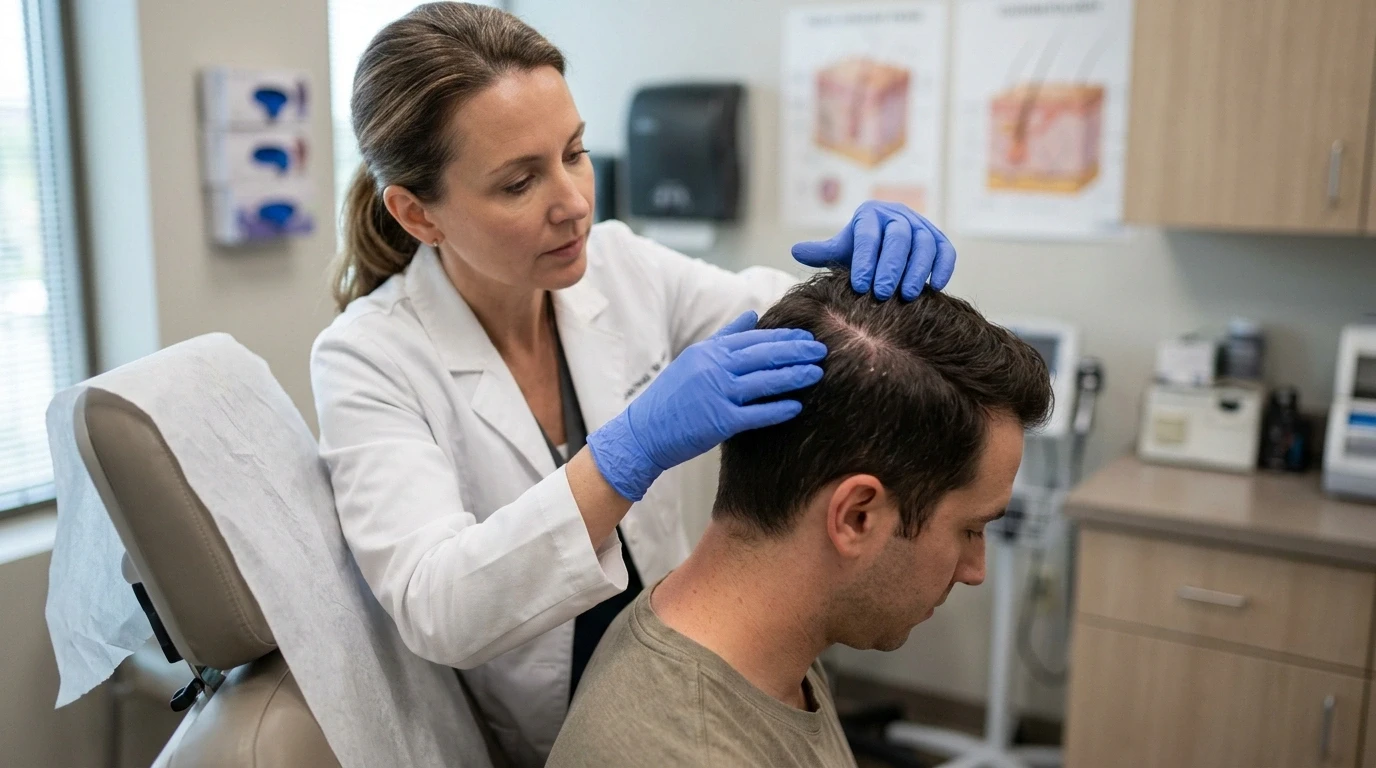
Dandruff Treatment in Qatar | Causes, Symptoms and Treatment Options
Dandruff is one of the most common scalp concerns, and although it is usually harmless and not contagious, persistent flakes, itching, and scalp irritation can be frustrating, especially when they continue despite changing shampoos or hair-care routines. Understanding the cause is an important first step because dandruff can relate to an oily scalp, dryness, sensitivity to hair products, or skin conditions such as seborrheic dermatitis, eczema, or psoriasis.
If you are looking for dandruff treatment in Qatar, professional dermatological assessment can help determine whether you are dealing with simple dandruff or another scalp condition that requires a different approach. At Gardenia Medical Centre, dermatology care focuses on evaluating individual skin and scalp concerns and discussing appropriate treatment options based on the patient's symptoms and needs.
What Is Dandruff and What Causes It?
What Is Dandruff?
Dandruff refers to visible flakes of skin that shed from the scalp. It can appear as small white or yellowish flakes on the hair, scalp, eyebrows, beard, or shoulders and may be accompanied by itching.
Dandruff is not considered contagious, and mild cases can often be controlled with an appropriate hair-care routine and anti-dandruff shampoo. However, symptoms can return after improving, which means long-term management may be necessary for some people.
Persistent dandruff should not always be treated as a simple cosmetic issue. If the scalp becomes significantly inflamed, painful, very itchy, or develops thick scales, a dermatologist can assess whether another skin condition is contributing to the symptoms.[1]
What Causes Dandruff?
Understanding dandruff causes can make it easier to choose the right approach. There is not always one single cause, and several factors may contribute to scalp flaking at the same time. Common causes and triggers include:[2]
- Excess oil and irritation of the scalp.
- Dry skin and reduced scalp moisture.
- Overgrowth or sensitivity to Malassezia yeast that naturally lives on the scalp.
- Sensitivity or irritation caused by certain hair-care products (contact dermatitis).
- Seborrheic dermatitis.
- Psoriasis or eczema affecting the scalp.
- Stress, fatigue, and seasonal changes, which may aggravate some scalp conditions.
This is why repeatedly changing products without identifying the underlying cause may not provide lasting relief.
Dandruff or Seborrheic Dermatitis: What Is the Difference?
Dandruff and seborrheic dermatitis are closely related, but they are not necessarily identical. Dandruff generally causes scalp flaking without significant inflammation. Seborrheic dermatitis can involve more noticeable inflammation, oily patches, itching, and white or yellow scales. It may also affect areas such as the eyebrows, sides of the nose, ears, beard, or chest.[3]
| Clinical Feature | Dandruff | Seborrheic Dermatitis |
|---|---|---|
| Primary Presentation | Mainly involves scalp flaking | May cause flaking with visible inflammation |
| Severity Level | Usually mild | Can be more persistent or extensive |
| Itching & Sensation | Itching may occur | Itching and irritation can be more noticeable |
| Anatomical Distribution | Often limited to scalp | Can affect scalp and other oily areas (face, ears, chest) |
| Treatment Response | May improve with anti-dandruff care | May require a more targeted dermatological plan |
For people searching for seborrheic dermatitis treatment in Qatar, it is important to receive an appropriate assessment rather than assuming that every type of scalp flaking is ordinary dandruff.
When Should You See a Dermatologist and How Is It Diagnosed?
When Should You See a Dermatologist?
Mild dandruff can often be managed at home, but persistent or severe symptoms may require professional evaluation. Consider seeing a dermatologist if:[4]
- Flaking continues despite using an appropriate dandruff shampoo.
- The scalp becomes very itchy or inflamed.
- You notice thick scales, crusting, or painful areas.
- Symptoms extend beyond the scalp (eyebrows, face, chest).
- Hair shedding becomes noticeable.
- The condition repeatedly improves and returns.
- Scalp symptoms are affecting sleep, comfort, or daily activities.
A dermatologist can examine the scalp and determine whether the problem is dandruff, seborrheic dermatitis, psoriasis, eczema, contact dermatitis, or another scalp condition.
How Is Dandruff Diagnosed?
There is no single laboratory test required for most cases of dandruff. A dermatologist usually reviews the patient's symptoms, examines the scalp, and considers factors such as the appearance of the flakes, degree of inflammation, scalp oiliness, itching, and the distribution of the affected areas.[5]
This evaluation is particularly important when searching for a dandruff doctor in Qatar because persistent scalp flaking can sometimes resemble other dermatological conditions. The goal is not simply to remove visible flakes, but to understand why they are appearing and determine whether the scalp needs a specific medical treatment plan.
Dandruff Treatment Options and Proper Shampoo Use
The appropriate dandruff treatment depends on the cause and severity of the condition.
For mild dandruff, regular washing with a gentle shampoo may help remove excess oil and dead skin. If this is not enough, dermatologists may recommend a medicated anti-dandruff shampoo containing an active ingredient designed to address fungal activity, scaling, or inflammation. Different active ingredients work in different ways, so using the same product repeatedly is not always the best approach for every patient.
If symptoms remain persistent despite appropriate over-the-counter care, a dermatologist may recommend stronger prescription treatment depending on the diagnosis.
What About Scalp Dandruff Treatment?
Scalp dandruff treatment should take into account both the condition of the scalp and the patient's hair type. A treatment routine may focus on controlling excessive oil, reducing visible scaling, calming irritation, and maintaining scalp hygiene. However, frequent or aggressive washing is not automatically better. The scalp can become irritated when harsh products or excessive scrubbing are used.
People with curly, coiled, textured, or chemically treated hair may also need a different washing frequency and product strategy. Mayo Clinic notes that the frequency of medicated shampoo use may need to vary according to hair type and individual tolerance.
How to Use Anti-Dandruff Shampoo Properly
One common reason dandruff routines fail is incorrect shampoo use. Depending on the product, an anti-dandruff shampoo may need to remain on the scalp for several minutes before rinsing. Always follow the instructions provided with the product or the recommendations given by your dermatologist.[6] Helpful habits include:
- Apply the shampoo primarily to the scalp rather than only the hair lengths.
- Avoid aggressive scratching with fingernails; use gentle fingertip massage.
- Rinse the scalp thoroughly to avoid residue buildup.
- Avoid using multiple irritating products at the same time.
- Reduce excessive use of gels, sprays, and styling products if they worsen symptoms.
- Follow a consistent routine rather than changing products every few days.
Severe Dandruff, Hair Loss, and Daily Care Habits
Severe Dandruff: When Home Care Is Not Enough
Severe dandruff treatment may be necessary when symptoms are persistent, widespread, or associated with significant inflammation. In these situations, simply using more shampoo may not solve the problem. A dermatologist may recommend a more targeted treatment plan based on the diagnosis, which may include medicated scalp products, topical anti-inflammatory solutions, or specialized protocols.
Can Dandruff Cause Hair Loss?
Dandruff itself does not usually cause permanent hair loss. However, severe itching and repeated scratching can irritate the scalp and contribute to temporary hair shedding or breakage. In addition, some scalp conditions that look like dandruff can be associated with hair loss. For this reason, persistent hair shedding alongside flaking or scalp inflammation should be evaluated rather than automatically attributed to dandruff.
At Gardenia Medical Centre, patients experiencing both scalp flaking and hair concerns can also explore dermatological services that support scalp and follicular vitality, including PRP Therapy for Skin & Hair.
Daily Habits That May Help Control Dandruff
Managing dandruff is often about consistency rather than searching for a quick fix:
- Keep the scalp clean according to your hair type and your dermatologist's advice.
- Avoid scratching or picking at flakes.
- Choose hair-care products that do not irritate your scalp.
- Limit excessive styling-product buildup.
- Pay attention to symptoms that appear after using a new product.
- Manage stress and maintain healthy daily habits.
- Continue maintenance care when symptoms improve if your dermatologist recommends it.
Why Does Dandruff Keep Coming Back?
Dandruff is often a recurring condition rather than something that disappears permanently after one treatment. Symptoms may improve and then return, especially when maintenance care is stopped or when the scalp is exposed to individual triggers. This does not necessarily mean that the previous treatment failed; it may simply mean that the scalp requires ongoing management.
How to Choose Dandruff Care in Qatar
When comparing options for dandruff treatment in Qatar, consider the nature of your symptoms rather than choosing a clinic or product based only on advertising:
| What to Consider | Why It Matters |
|---|---|
| Scalp assessment | Helps identify the likely cause |
| Dermatology consultation | Distinguishes dandruff from other skin conditions |
| Personalized recommendations | Hair and scalp needs vary between patients |
| Follow-up when needed | Recurring conditions may require ongoing management |
| Clear communication | Helps patients understand available options |
Can dandruff be prevented completely? There is no guaranteed way to prevent dandruff permanently because the condition can recur. However, consistent scalp care can help reduce symptoms, manage triggers, and maintain a healthier scalp environment.
Dermatology Care at Gardenia Medical Centre
When searching for a dandruff clinic in Doha, patients may want to look beyond shampoo recommendations and consider whether the clinic offers broader dermatological assessment. Gardenia Medical Centre provides comprehensive care through its Dermatology and Laser department, where patients can discuss skin, scalp, and hair concerns with experienced specialists.

Dr. Reem Tawil
Cosmetic Dermatologist
Dr. Reem Tawil brings more than 25 years of experience in dermatology and aesthetic medicine in Doha. Her practice focuses on cosmetic and clinical dermatology, combining clinical assessment with attention to balanced and natural-looking outcomes.

Dr. Lin Al-Khatib
Dermatologist
Dr. Lin Al-Khatib has more than 13 years of clinical experience in dermatology and aesthetic care. Her approach emphasizes evidence-based assessment, patient education, and clear communication about available treatment options.
Other Dermatology Services at Gardenia
Dandruff may be the reason a patient initially visits a dermatologist, but a consultation also provides an opportunity to explore comprehensive skin and aesthetic services, including:
- Elite Laser Hair Removal: Professional, medical-grade laser hair-reduction care.
- HydraFacial Elite & Rejuvenation: Deep pore cleansing, extraction, and intensive skin hydration.
- Medical Grade Chemical Peels: Tailored dermatological peels for cellular renewal and tone correction.
- Microneedling (Dermapen): Collagen-induction therapy for texture and pore refinement.
- Botox Cosmetic & Therapeutic: Targeted wrinkle reduction and hyperhidrosis treatment.
- Dermal Fillers (Lip & Face): Hyaluronic acid volume restoration and contour enhancement.
Book a Dermatology Consultation in Qatar
If persistent flakes, itching, or scalp irritation are affecting your comfort, professional assessment can help identify the underlying cause and guide you toward an appropriate care plan:
- Explore our Dermatology and Laser services.
- Contact Gardenia Medical Centre directly through our Contact Page.
- Book your appointment online through the Online Appointment Booking Page.
Frequently Asked Questions About Dandruff Treatment in Qatar
What causes dandruff?
Dandruff can be associated with oily or dry skin, scalp sensitivity, Malassezia yeast, hair-product irritation, or other skin conditions such as seborrheic dermatitis, eczema, and psoriasis.
When should I see a dermatologist for dandruff in Qatar?
You should consider a dermatology consultation in Qatar if dandruff persists despite regular care, becomes very itchy or inflamed, or is accompanied by thick scales, crusting, or noticeable hair shedding.
Is dandruff the same as seborrheic dermatitis?
Not always. Dandruff generally involves scalp flaking, while seborrheic dermatitis may cause more visible inflammation, oily patches, itching, and scales that can affect areas beyond the scalp.
How long does dandruff treatment take?
The timeframe varies according to the cause and severity. Mild dandruff may improve with consistent shampoo use, while recurring or more severe scalp conditions may require a longer management plan.
Can dandruff cause permanent hair loss?
Dandruff itself does not usually cause permanent hair loss, but severe itching and scratching can irritate the scalp and contribute to temporary shedding or breakage. Other scalp conditions may also cause hair loss and should be assessed separately.
What is the right treatment for severe dandruff?
The appropriate approach to severe dandruff depends on the underlying diagnosis. A dermatologist can assess the scalp and determine whether medicated products or other targeted treatments are needed.
References
- Mayo Clinic - Dandruff: Symptoms & causes
- Healthline - What Causes Dandruff and How to Treat It
- Peninsula Dermatology - Dandruff vs Seborrheic Dermatitis
- Healthline - Scalp Care and Dandruff Management
- Acıbadem Healthcare - Dandruff Diagnosis & Clinical Overview
- American Academy of Dermatology (AAD) - How to treat dandruff